Understanding Feng Shui Principles for Modern Homes
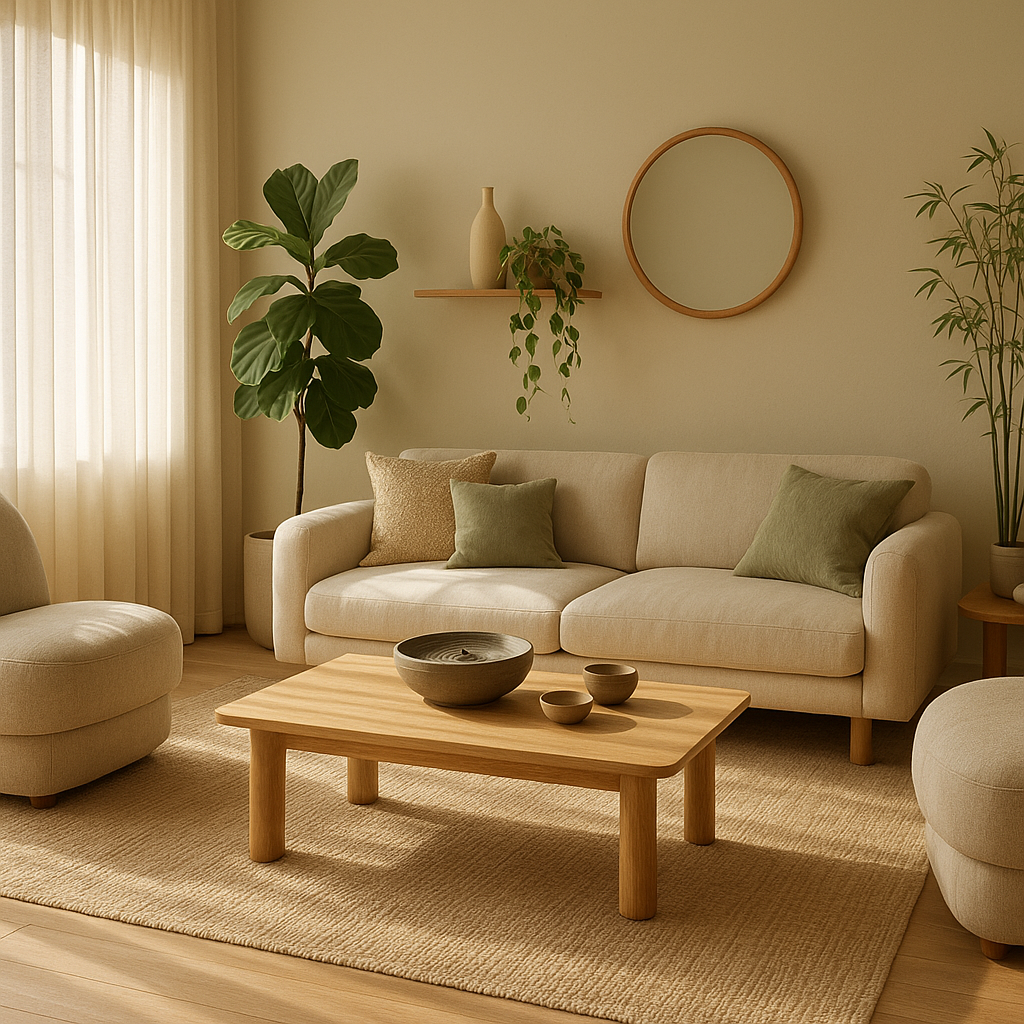
There’s something quietly compelling about the idea that the way you arrange your home could genuinely affect how you feel inside it. Feng shui — the ancient Chinese practice of organising spaces to promote harmony and positive energy — has been around for thousands of years, yet it feels more relevant than ever in our cluttered, overstimulated modern lives. Whether you’re a total sceptic or someone who burns sage and checks their birth chart on a Tuesday evening, the core principles of feng shui offer genuinely practical advice for creating a home that feels calm, intentional, and lived-in for all the right reasons.
This guide breaks down the foundational concepts, room-by-room tips, and common mistakes to avoid — so you can start applying feng shui principles to your modern home without needing to rearrange every stick of furniture in a single weekend.
What Is Feng Shui and Why Does It Matter for Modern Homes?
Feng shui (pronounced “fung shway”) translates literally as “wind and water” — two natural elements the ancient Chinese associated with good health and fortune. The practice is rooted in Taoist philosophy and centres on the concept of qi (also written as “chi”), which is the invisible life force or energy that flows through all living things and spaces.
The goal of feng shui is to encourage qi to flow freely and harmoniously through your home. When energy is blocked — by clutter, poor furniture placement, or dark, stagnant corners — it’s thought to negatively impact the wellbeing, relationships, and even finances of the people living there. When it flows well? The idea is that daily life simply feels lighter.
Now, you don’t have to subscribe wholesale to the metaphysical framework to benefit from feng shui. Many of its principles align neatly with what interior designers, psychologists, and even organisational experts have been saying for years: that our environments profoundly affect our mood, productivity, and sense of peace.
The Basic Feng Shui Principles Every Homeowner Should Know
Before diving into specific rooms, it helps to understand the handful of core concepts that underpin the entire practice. These aren’t obscure rules — they’re surprisingly logical once you see them in context.
The Bagua Map
The bagua is essentially the feng shui blueprint for your home. It’s an octagonal (or sometimes square) grid that divides a space into nine areas, each corresponding to a different aspect of life: wealth, fame, love and relationships, family, health, creativity, knowledge, career, and helpful people or travel.
To use the bagua map, you align it with the main entrance of your home — the career area always sits at the front door. You can apply it to the whole house or to individual rooms. The idea is that by identifying which physical areas of your home correspond to which life areas, you can make intentional changes to support those aspects of your life.
The Five Elements
Feng shui works with five natural elements — wood, fire, earth, metal, and water — each carrying its own energy and associated colours, shapes, and materials. A well-balanced home incorporates all five elements, though the proportions can shift depending on the energy you want to cultivate.
- Wood: Growth, creativity, vitality — represented by plants, green and blue tones, and rectangular shapes
- Fire: Passion, clarity, transformation — represented by candles, red and orange hues, and triangular shapes
- Earth: Stability, nourishment, grounding — represented by ceramics, sandy and yellow tones, and square shapes
- Metal: Focus, clarity, efficiency — represented by metallic finishes, white and grey tones, and circular shapes
- Water: Flow, wisdom, connection — represented by mirrors, black and deep blue tones, and wavy or asymmetrical shapes
The Command Position
One of the most practically useful feng shui concepts is the command position. This refers to placing yourself — when seated or lying down — in a position where you can see the door without being directly in line with it. Being able to see who enters a space without being startled is thought to reduce subconscious stress and promote a sense of safety and authority.

In practical terms, this means positioning your bed, desk, and sofa so that each faces the room’s entrance diagonally, rather than having your back to the door. It’s a small shift that many people find genuinely calming — and there’s solid psychological reasoning behind it too.
Basic Feng Shui Rules for Your House Layout
When it comes to the overall layout and flow of your home, a few foundational rules apply across every room and property type.
- Clear the entrance: The front door is where qi enters your home. Keep it clean, well-lit, and free from clutter. A blocked or neglected entrance is considered one of the most significant feng shui problems you can have.
- Declutter consistently: Clutter is the enemy of good qi. It’s not about minimalism for minimalism’s sake — it’s about releasing things that no longer serve you so energy can circulate freely.
- Avoid “poison arrows”: Sharp corners pointing directly at seating or sleeping areas are considered sources of harmful energy. Soften them with plants, fabric, or rounded furniture where possible.
- Let in natural light: Light is one of the most powerful feng shui tools. It activates qi and lifts the energy of any space. Maximise natural light through clean windows, mirrors, and light-coloured soft furnishings.
- Balance yin and yang: Every home needs a balance of yin (quiet, soft, restful) and yang (active, bright, stimulating) energy. Bedrooms lean yin; kitchens and home offices lean yang.
Feng Shui Rules for the Bedroom
The bedroom is arguably the most important room to get right in feng shui terms, because it’s where we spend roughly a third of our lives — sleeping, resting, and restoring ourselves.
The most critical rule is the command position: your bed should be positioned so you can see the bedroom door, but not be directly in line with it. Ideally, the bed sits against a solid wall for support, without a window directly behind the headboard.
Other important bedroom feng shui principles include:
- Avoid placing mirrors directly facing the bed — they’re thought to disturb sleep and introduce restless energy
- Keep electronics to a minimum; screens bring yang energy that’s counterproductive to rest
- Use pairs of objects (matching bedside tables, lamps, cushions) to support relationship energy
- Keep the space beneath the bed clear — storing old boxes, bags, or broken items underneath is believed to create stagnant energy that affects sleep quality
- Choose soft, earthy, or skin-tone colours over bold, stimulating hues
Feng Shui Rules for the Living Room
The living room is the social heart of the home — it should feel welcoming, comfortable, and energetically balanced. In feng shui terms, the key is creating a space where conversation flows naturally and everyone feels at ease.
Start by applying the command position principle to your main sofa: it should face toward the room’s entrance rather than away from it. Arrange additional seating to face inward, creating a circle or octagon of connection rather than rows facing a single focal point (which suits a cinema, not a living room).
Incorporate all five elements where possible: a wooden coffee table, candles for fire energy, ceramics or stone accessories for earth, metallic accents for metal, and a water feature or artwork depicting water to complete the set. If you’re looking for ways to bring more character to your walls, expressive art into your décor can add vibrant yang energy while reflecting your personal style.
One often-overlooked tip: avoid placing furniture with its back directly against a wall on every side of the room. Leaving a little breathing space between furniture and walls allows qi to circulate, which is thought to create that elusive feeling of a room that “breathes.”
What Counts as Bad Feng Shui in a House?
Some feng shui concerns are about big-picture layout issues, while others are smaller, easily fixable habits. Common examples of bad feng shui include:

- A front door that opens directly onto a staircase — energy is thought to rush straight in and up, bypassing the main living areas
- A toilet that’s visible from the front door or the bed — associated with draining wealth and health energy
- Dead plants, broken objects, or burnt-out light bulbs — all symbolic of stagnant or declining energy
- A cluttered, dark hallway — this impedes the flow of qi throughout the whole house
- Beds or desks positioned with their back to the door — creates subconscious stress and feelings of vulnerability
- Overly sharp, spiky décor or plants (like cacti in abundance) in living or sleeping areas — considered sources of harsh energy
The good news? Most of these issues are entirely fixable without significant renovation. A few strategic adjustments — adding a mirror to deflect energy, relocating a plant, or simply decluttering a hallway — can make a real difference.
Applying Feng Shui in a Modern Context
One of the most common misconceptions is that feng shui requires a very specific aesthetic: lots of bamboo, water features, and Chinese decorative motifs. That’s a cultural interpretation of the practice, not a requirement of it.
Modern feng shui — sometimes called Western feng shui or the Black Hat Sect method — is far more flexible and can be applied to any home, regardless of its architectural style or interior design preferences. A Scandi-minimalist flat in Edinburgh and a Victorian terrace in Bristol can both be excellent examples of feng shui principles in action.
The core question to ask yourself, room by room, is simply: Does this space support the life I want to be living? Does your bedroom feel restful? Does your home office feel focused and energising? Does your kitchen feel nourishing and warm? When the answer is no, feng shui gives you a structured, thoughtful framework for figuring out why — and what to change.
Research consistently shows that our physical environments shape our wellbeing in measurable ways. A 2016 study published in the Journal of Environmental Psychology found that cluttered environments significantly increased cortisol levels — the body’s primary stress hormone — particularly in women. Whether or not you believe in qi, the case for creating a home that feels ordered, light-filled, and intentionally arranged is backed by science as much as ancient philosophy.
Simple Feng Shui Adjustments You Can Make This Weekend
You don’t need to call in a feng shui consultant or do a full home overhaul to start experiencing the benefits. Here are some small, high-impact changes to try:
- Rearrange your bedroom so the bed is in the command position
- Clear out your entrance hall completely — hang a coat, add a lamp, and leave a beautiful object that makes you smile each time you come home
- Add a healthy plant to your living room or home office for wood energy and improved air quality — if you’re working with limited space, growing plants in compact areas can help you bring nature indoors without overwhelming the room
- Replace any dead or artificial plants with living ones
- Fix anything broken: a wobbly drawer, a cracked tile, a flickering bulb
- Spend 20 minutes decluttering one specific drawer, shelf, or corner
- Add a mirror to a dark hallway to reflect light and encourage qi flow
Final Thoughts
Feng shui isn’t about perfection or following rules with military precision. At its heart, it’s about becoming more intentional and aware of how your environment makes you feel — and making thoughtful changes to support the life you actually want to live.
Whether you go deep into bagua maps and elemental theory or simply use the core principles as a lens for viewing your home with fresh eyes, there’s real value here. Our homes are the settings of our daily lives, and they deserve the same care and attention we give to our relationships, our work, and our wellbeing. Feng shui, at its most modern and accessible, is simply an invitation to take that idea seriously — and to start creating a home that genuinely works for you.



0 Comments