Urban Gardening Tips for Maximizing Small Spaces

Urban gardening has emerged as a practical solution for city dwellers looking to reconnect with nature while promoting sustainable living. Implementing a few simple strategies can transform small spaces into productive green areas, enhancing food security and providing environmental benefits. By cultivating plants in rooftops, balconies, or community gardens, individuals can grow fresh produce and contribute to reducing their carbon footprint.
Those engaging in urban gardening not only enjoy the aesthetic appeal and fresh air but also reap health benefits from consuming homegrown fruits and vegetables. This hands-on approach fosters a sense of community and encourages individuals to take charge of their food sources. Adopting urban gardening practices can lead to a rewarding lifestyle change that supports both personal well-being and environmental sustainability.
Setting Up Your Urban Garden
Establishing an urban garden involves several key elements. Key decisions revolve around choosing the right containers, ensuring proper sunlight exposure and drainage, and selecting suitable plants that thrive in limited space.
Choosing the Right Containers
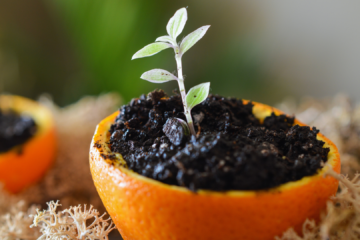
Containers are essential for urban gardening, particularly in small spaces like balconies or rooftops. Common options include hanging baskets, pots, and raised beds. When selecting containers, consider materials such as clay, plastic, or metal. Each has unique properties in terms of weight, insulation, and drainage.
Potting soil plays a crucial role in plant health. High-quality soil retains moisture while providing essential nutrients. Always ensure that containers have drainage holes to prevent waterlogging, which can harm root systems.
Understanding Sunlight and Drainage
Sunlight exposure is critical for plant growth. Most vegetables and flowering plants require at least six hours of direct sunlight daily. Urban gardeners should assess their location’s sun patterns, as buildings and trees may cast shadows.
In addition to sunlight, proper drainage is vital. Containers need to allow water to escape to avoid root rot. Incorporate materials like gravel or perlite at the bottom of containers to enhance drainage. Choose pots with varying depths based on the type of plants being grown. Taller plants, like tomatoes, necessitate deeper containers, while herbs can thrive in shallower ones.
Selecting Suitable Plants
Selecting the right plants is key to a successful urban garden. Plants should be chosen based on available space and sunlight. Herbs, such as basil and parsley, are great for limited areas and provide fresh ingredients for cooking. For vertical spaces, cling vegetables like peas or cucumbers can flourish.
If space permits, compact vegetables like cherry tomatoes and radishes also work well. Research the specific light and water requirements for each plant. Many urban gardeners find that native plants adapt better to local conditions and require less maintenance.
Garden Management and Maintenance
Effective garden management and maintenance ensure that urban gardens thrive. Key areas to focus on include soil quality, watering techniques, and pest control methods. Each component plays a vital role in promoting healthy plant growth and maximizing yield.
Clearing and Preparing Garden Sites
Before starting an urban garden, it’s essential to properly prepare the space for planting. This might include removing debris, assessing soil conditions, and clearing out unwanted structures or remnants from previous landscaping. Ensuring a clean, level surface allows for better planning and supports plant health from the outset.
In situations where tree stumps remain in the area, it’s helpful to be familiar with the stump grinding process. Removing stumps not only improves safety and accessibility but also maximizes available growing space for your garden. Clearing old roots and buried obstructions can also enhance soil quality, allowing for deeper root systems and more effective irrigation. By addressing these foundational elements early on, urban gardeners set themselves up for long-term success with healthier, more productive plants.
Soil Quality and Health
Soil quality is fundamental to successful gardening. Urban gardeners should regularly test the soil to determine pH and nutrient levels. Amending soil with compost enhances its structure and fertility, providing essential nutrients for plants.
In container gardening and vertical gardening, selecting high-quality potting mixes is essential. These mixes should drain well while retaining moisture. Maintaining soil health also involves incorporating organic matter, which improves aeration and prevents root rot. Regularly aerating the soil promotes microbial activity and nutrient absorption. Avoid compacting the soil, especially in high-traffic areas, to ensure proper root development.
Building on the importance of specialized mixes, some forms of cultivation require even more precise environmental controls and substrate compositions to thrive. For those interested in cultivating specific fungi, for instance, all-in-one mushroom grow kits offer a streamlined approach to achieving high yields with minimal contamination risk. These kits often come pre-packaged with specialized substrates like Red Milo or Coco Coir, meticulously designed to provide optimal nutrition and moisture retention. Features such as integrated injection ports and filter patches further simplify the process, ensuring a sterile environment crucial for successful growth. Such integrated systems, like those found at zombiemyco.com, exemplify how advanced cultivation methods can be made accessible for home growers seeking efficient and sterile environments.
Watering and Nutrient Techniques
Water management is vital for urban gardens. A consistent watering schedule supports plant health. Depending on plant types and environmental conditions, early morning or late afternoon watering is often the best practice. It reduces evaporation loss and allows plants to absorb moisture effectively.
Urban gardeners can also utilize hydroponics for more efficient water use. This method allows for precise nutrient management, minimizing waste. Regularly adding liquid fertilizers can boost nutrient levels, but it is essential to follow application instructions closely.
For container gardens, monitoring moisture levels is critical. A moisture meter can help determine when plants need watering. Draining excess water is also necessary to prevent root rot, especially in containers with limited soil volume.
Pest and Disease Control
Pest management is crucial in maintaining a healthy garden. Implementing natural pest control methods, such as introducing beneficial insects like ladybugs, can reduce pest populations. For urban gardens, it can also be important to install a pest-control system that specializes in mosquito eradication. Natural solutions, such as the one provided by a sprinkler magician installer like those found at sunriseirrigation.com, can be ideal. They tend to integrate eco-friendly mosquito solutions into their sprinkler system, creating a mosquito-repellant shield around the garden.
It’s also pertinent to conduct regular inspections of plants for signs of pests or disease, allowing for timely intervention. If issues arise, applying organic pesticides or neem oil can be effective without harming beneficial organisms. However, in areas where pest issues persist beyond what natural solutions can handle, it may be worth exploring professional options such as licensed pest control in Arizona or locally, to ensure effective, regulated treatment that aligns with local conditions.
Frequent crop rotation also helps to manage disease outbreaks. By changing the location of specific plants each growing season, pests and diseases can be disrupted, leading to healthier plants. Maintaining a clean garden space through the removal of debris minimizes potential habitat for pests and diseases.
Maximizing Your Urban Space
Urban gardening requires creative solutions to make the most of limited areas. By utilizing vertical gardening techniques, fostering community collaboration, and enhancing biodiversity, individuals can significantly enhance their gardening experience.
Innovative Approaches to Vertical and Balcony Gardening
Vertical gardening is an ideal method to utilize limited space. This approach involves growing plants upward instead of spreading them out on the ground. Utilizing climbing plants such as ivy, hops, or grapes can transform a simple wall into a lush green feature.
Balcony gardening can also benefit from hanging planters and wall-mounted pots. These systems help keep the floor space clear while adding greenery to surfaces. Incorporating shelves or tiered plant stands increases the variety of plants that can be grown in a small area. For effective results, consider the light and wind exposure on balconies. Using lightweight, self-watering containers can reduce maintenance while ensuring plants receive adequate moisture.
Incorporating Community and Rooftop Gardens
Community gardens foster collaboration among residents and promote local engagement. These spaces serve as a hub for knowledge sharing, resources, and socialization. To establish a communal garden, neighbors can coordinate site selection, design, and crop selection, enhancing community ties.
Rooftop gardens are another innovative solution. They provide a unique opportunity for space optimization on buildings. Utilizing lightweight soils and container systems helps reduce structural loads. Planting a diverse mix of edible and ornamental plants can transform a rooftop into a productive oasis. Incorporating pathways allows for ease of maintenance and creates an inviting atmosphere.
Optimizing for Biodiversity and Productivity
A diverse range of plant species can significantly enhance urban gardens. Encouraging biodiversity allows for natural pest control and improves the resilience of the garden. Incorporating native plants supports local ecosystems and requires less maintenance.
Implementing companion planting strategies can maximize productivity. Certain plants encourage growth when placed together, such as pairing tomatoes with basil. Incorporating pollinator-friendly plants can attract beneficial insects, increasing yield.
Using methods like crop rotation and intercropping can further enhance garden productivity. These strategies promote balanced soil nutrients and minimize pest infestations, creating a sustainable urban gardening environment.
Benefits and Contributions of Urban Gardening
Urban gardening offers numerous benefits that contribute to both individual well-being and community health.
Fresh Produce: It provides access to fresh fruits and vegetables, which can improve nutrition and enhance food security.
Sustainable Practices: Many urban gardens adopt sustainable practices, such as composting and rainwater harvesting, which lessen the carbon footprint of food production.
Community Gardens: These spaces foster community involvement. Residents come together, share resources, and cultivate relationships while working towards common goals.
Self-sufficiency: Urban gardening promotes self-sufficiency by allowing individuals and families to grow their food. This can reduce reliance on grocery stores and processed foods.
Physical Health: Engaging in gardening activities can improve physical health. Regular gardening contributes to physical fitness and helps reduce stress.
Victory Gardens: Historically, victory gardens served to bolster local food systems during times of need. They demonstrate the power of local food production in enhancing resilience.
Urban gardening enhances not only personal health but also strengthens community ties. It encourages collaboration among diverse groups and promotes shared knowledge, resulting in a more engaged population.


0 Comments