How to Start Incorporating Sustainable Materials Into Home Renovations
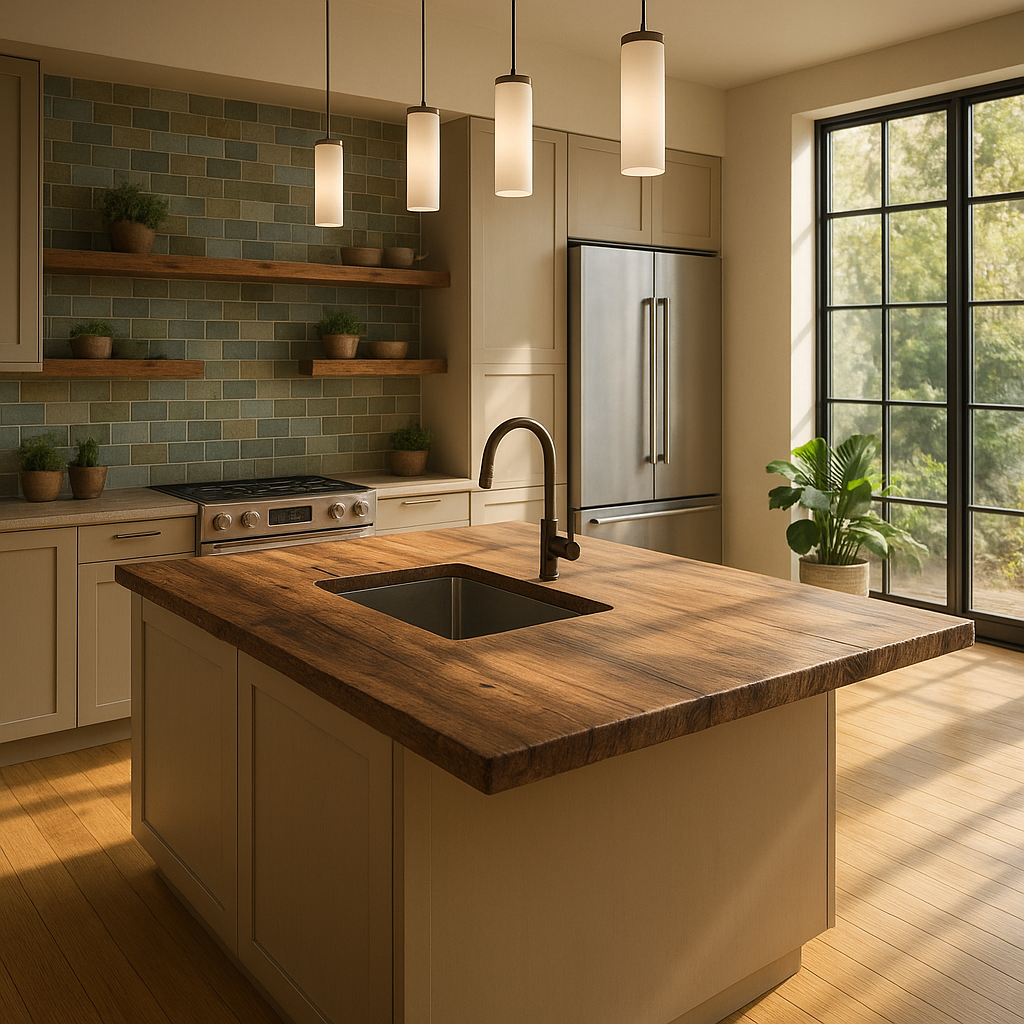
There’s a moment in many home renovation projects where you’re standing in a showroom, surrounded by gleaming tiles and shiny fittings, and someone mentions “sustainable materials” — and your eyes glaze over slightly. It sounds expensive. It sounds complicated. It sounds like a lot of research you don’t quite have time for. But here’s the thing: incorporating sustainable materials into your home renovation doesn’t have to be an all-or-nothing commitment, and it doesn’t require a degree in environmental science to get started.
Whether you’re planning a full kitchen overhaul, a bathroom refresh, or simply replacing worn-out flooring, there are practical, beautiful, and increasingly affordable ways to make choices that are better for the planet — and often better for your home and health too. This guide walks you through where to begin, what to look for, and how to make decisions that you’ll feel good about long after the builders have packed up and left.
Why Sustainable Materials Matter in Home Renovations
The construction and renovation industry is responsible for a significant chunk of global resource consumption. In the UK alone, the built environment accounts for around 40% of total energy use and roughly a third of all carbon emissions. When you renovate using conventional materials — think virgin timber, synthetic insulation, and certain types of plastic — you’re contributing to that footprint, often without realising it.
But sustainable materials aren’t just about reducing harm. Many of them are genuinely superior products. Reclaimed timber is often denser and more durable than newly sourced wood. Natural insulation materials like sheep’s wool regulate humidity naturally. Cork flooring is antimicrobial and surprisingly resilient. Once you start digging into what’s available, you’ll likely find yourself impressed rather than compromised.
There’s also the financial angle. Some sustainable choices cost more upfront but pay dividends over time through lower energy bills, reduced maintenance, and longer lifespans. Others — particularly reclaimed and salvaged materials — can actually be cheaper than their brand-new equivalents.
Start With a Sustainability Audit of Your Renovation Plans
Before you swap out every material on your list, it helps to take stock of what you’re working with and what’s most impactful to change. Not every renovation is the same, and your efforts will have varying degrees of impact depending on what you’re tackling.
Ask Yourself These Questions First
- What existing materials can be retained or repurposed? The most sustainable material is often the one already in your home. Before ripping out floorboards or cabinets, ask whether they can be restored, repainted, or reconfigured.
- Where is the most energy lost in your home? Walls, roofs, and windows are typically the biggest culprits. Prioritising insulation and glazing improvements often has the greatest long-term environmental and financial impact.
- What are the lifecycle implications of materials you’re considering? Some materials look sustainable but have resource-intensive manufacturing processes. Others are made locally, which cuts transport emissions significantly.
Doing this kind of audit before you commit to a design or budget means you’re making informed choices rather than reactive ones. It also gives you a clearer sense of where your money will do the most good.
The Best Sustainable Materials to Consider for Different Areas of Your Home
The good news is that the market for sustainable building materials has expanded considerably in recent years. Here’s a room-by-room breakdown of what to look for.
Flooring
Flooring is one of the most visible elements of any renovation, and it’s also an area where sustainable options have genuinely come into their own.

- Reclaimed timber: Salvaged from old buildings, barns, or factories, reclaimed wood brings character and history to a space. It’s typically more stable than new wood and has already done the heavy environmental lifting of its initial production.
- Bamboo: Often marketed as a miracle material, bamboo grows extraordinarily quickly (some species up to a metre per day) and can be harvested without killing the plant. It makes durable, attractive flooring, though it’s worth checking that your supplier sources responsibly and that adhesives used in manufacturing are low in volatile organic compounds (VOCs).
- Cork: Harvested from the bark of cork oak trees without cutting them down, cork is naturally renewable. It’s also a surprisingly good insulator and has a pleasing, soft feel underfoot.
- Recycled ceramic or porcelain tiles: For kitchens and bathrooms, tiles made from recycled content are increasingly available and look just as good as their conventional counterparts.
Insulation
Insulation is perhaps the highest-impact area where sustainable materials make a measurable difference. Conventional insulation — fibreglass and foam boards — does the job, but there are natural alternatives worth exploring.
- Sheep’s wool: Naturally breathable, moisture-regulating, and effective across a wide temperature range. It’s also biodegradable at end of life.
- Hemp: Hemp insulation is durable, resistant to mould, and has an impressively low embodied carbon footprint.
- Recycled cellulose: Made from recycled newspaper and cardboard, cellulose insulation is an excellent choice for loft spaces and cavity walls.
Kitchen and Bathroom Surfaces
Worktops and surfaces take a beating, so durability matters as much as sustainability here. Fortunately, the two aren’t mutually exclusive.
- Recycled glass worktops: Striking to look at and made from post-consumer glass, these are a genuinely interesting alternative to stone or laminate.
- Reclaimed or FSC-certified timber: Timber certified by the Forest Stewardship Council (FSC) ensures the wood has been sourced from responsibly managed forests. For kitchen worktops, properly sealed timber can be surprisingly durable.
- Terrazzo with recycled aggregate: Traditional terrazzo is experiencing a revival, and versions made with recycled glass or stone offcuts are both beautiful and sustainable.
How to Find and Verify Sustainable Materials
One of the trickiest aspects of sustainable purchasing is cutting through the greenwashing. Terms like “eco-friendly” and “natural” are largely unregulated, meaning a product can use them without meeting any particular standard. Here’s how to verify what you’re actually buying.
Look for Recognised Certifications
- FSC and PEFC: Both certify responsibly sourced timber and wood products. FSC (Forest Stewardship Council) and PEFC (Programme for the Endorsement of Forest Certification) are globally recognised.
- Cradle to Cradle: A product certification that assesses materials on safety, recyclability, manufacturing practices, and social equity.
- BREEAM: The UK’s leading sustainability assessment method for buildings. Specifying materials that contribute to a BREEAM rating can be useful if you’re working on a larger project.
- Indoor Air Quality certifications: Look for products tested for low VOC emissions, particularly important for paints, adhesives, and flooring finishes.
Source Locally Where Possible
A material that’s sustainably produced but shipped halfway across the world has a transport carbon cost that can undermine its green credentials. When you can, sourcing from domestic manufacturers or regional salvage yards reduces embodied carbon and supports local economies. Architectural salvage yards are particularly worth visiting — they’re often treasure troves of reclaimed doors, windows, tiles, and fixtures that would otherwise go to landfill.
What Does “Embodied Carbon” Mean and Why Should You Care?
You may encounter the term embodied carbon when researching sustainable building materials. It refers to the total greenhouse gas emissions associated with producing, transporting, and eventually disposing of a material — as opposed to operational carbon, which relates to energy used in running your home.
Embodied carbon matters because it’s locked in the moment a material is manufactured. Choosing a low-embodied-carbon material means your renovation has a lower environmental impact before a single person has moved back into the house. Concrete, steel, and aluminium tend to have high embodied carbon. Timber, particularly reclaimed timber, tends to be low — and sustainably managed forests can actually sequester carbon over time.
For most homeowners, you won’t need to calculate embodied carbon figures precisely. But keeping the concept in mind helps you make more informed choices when you’re comparing options.
Budgeting for Sustainable Materials Without Breaking the Bank
A common concern is cost, and it’s a fair one. Some sustainable materials do carry a premium, particularly those with robust third-party certifications or complex manufacturing processes. But there are plenty of ways to incorporate sustainability into your renovation without drastically inflating your budget.
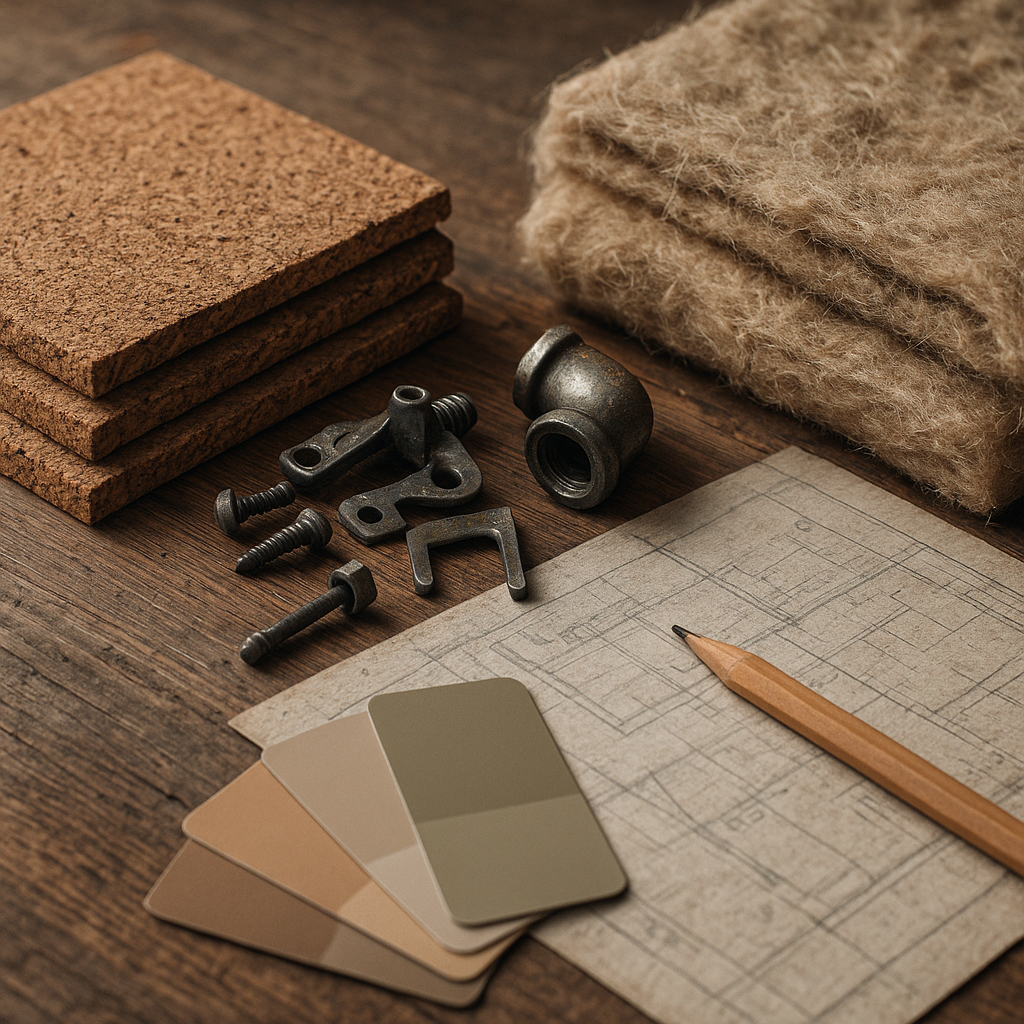
- Reclaimed is often cheaper: Architectural salvage, second-hand building materials marketplaces (such as Freecycle, Salvo, or even local Facebook groups), and demolition salvage companies frequently have excellent materials at a fraction of retail prices.
- Prioritise impact: If budget is tight, focus sustainable spending on high-impact areas — insulation, glazing, and structural materials — rather than trying to green every last detail.
- Think long-term: A natural oil finish on timber floors may cost more upfront than a synthetic varnish, but it can be spot-repaired and refreshed rather than requiring full replacement, reducing lifetime costs.
- Factor in running costs: Sustainable choices in insulation and window glazing directly reduce energy bills. The upfront investment is often recouped within a few years, depending on energy prices and your home’s existing efficiency.
Working With Builders and Contractors on Sustainable Goals
Even the most carefully chosen sustainable materials can be undermined by conventional installation practices — or simply go unused if your builder isn’t familiar with them. Communication is key.
When briefing contractors, be specific about your sustainability priorities and ask whether they have experience working with the materials you’ve chosen. Some natural materials, like lime plaster or hemp insulation, require specific techniques that not every tradesperson is familiar with. Seeking out builders who already champion sustainable practices can save a great deal of back-and-forth. Organisations like the Good Homes Alliance or the Green Register in the UK can help you find professionals with relevant training and experience.
Don’t be afraid to ask suppliers for Environmental Product Declarations (EPDs) — these are standardised documents that provide transparent data about a product’s environmental impact. A reputable supplier should be happy to provide them.
Small Changes That Make a Big Difference
Not every sustainable decision needs to be a grand gesture. Some of the most effective changes are also the simplest.
- Swap conventional paint for low-VOC or natural paint — better for indoor air quality and perfectly available from a growing number of UK suppliers.
- Choose water-efficient fittings for bathrooms and kitchens — taps, showers, and toilets with good efficiency ratings can cut household water use significantly.
- Opt for natural fibre rugs and soft furnishings over synthetic ones, particularly in bedrooms where off-gassing from synthetics can affect air quality overnight.
- Install LED lighting throughout — it uses up to 75% less energy than traditional bulbs and lasts significantly longer.
Moving Forward: Making Sustainability a Habit, Not a One-Off
The best mindset shift you can make is to stop thinking of sustainable materials as a separate category and start thinking of sustainability as a lens through which you evaluate every decision in your renovation. It doesn’t mean every choice will be perfect, and it certainly doesn’t mean you need to sacrifice quality or aesthetics. In fact, some of the most beautiful interiors being created right now — with their aged timbers, hand-made tiles, and natural plaster walls — are also among the most sustainably built. If you’re looking to personalise your space further once the renovation is complete, exploring ways to bring unique art into your home can add character that complements your sustainable choices beautifully.
Start with one or two areas where you feel most confident, do your research, and ask lots of questions. Build a relationship with suppliers and contractors who share your values. Over time, sustainable decision-making becomes less of an effort and more of a natural part of how you approach your home.
Your home is, after all, one of the most significant investments you’ll ever make — both financially and in terms of the life you build within its walls. Making thoughtful, sustainable choices during renovation is one of the most meaningful ways to ensure it serves you well, and the planet a little better, for decades to come.



0 Comments