How Lighting Design Transforms Your Home’s Ambience

There’s a moment in every home renovation or decorating project when everything starts to come together — the furniture is placed, the paint is dry, the cushions are fluffed — and yet something still feels off. More often than not, that elusive missing piece is lighting. It’s one of the most underestimated elements in home design, yet it holds extraordinary power over how a space looks, feels, and functions. Get it right, and even a modest room can feel like something out of an interiors magazine. Get it wrong, and the most beautifully decorated space can feel flat, harsh, or simply uninviting.
Whether you’re redesigning your entire home or simply looking to refresh a single room, understanding how lighting design works — and how it shapes ambience — is genuinely transformative. This guide walks you through everything you need to know, from the different types of lighting layers to practical tips you can implement today.
Why Lighting Is So Much More Than Just Visibility
Most of us think about lighting in purely practical terms — can I see what I’m doing? But interior designers will tell you that light is actually one of the most emotionally powerful tools in the design toolkit. Studies in environmental psychology consistently show that lighting conditions directly affect mood, stress levels, and even productivity. Research published by the Lighting Research Centre found that exposure to warm, dimmer lighting in the evening can significantly lower cortisol levels, the body’s primary stress hormone.
Beyond biology, lighting shapes how we perceive a space. It can make a small room feel larger, a high ceiling feel cosier, a cold north-facing room feel warmer. It draws attention to architectural features you want to celebrate and softens the edges of things you’d rather overlook. In short, lighting doesn’t just illuminate a room — it tells a story about it.
The Difference Between Functional and Atmospheric Lighting
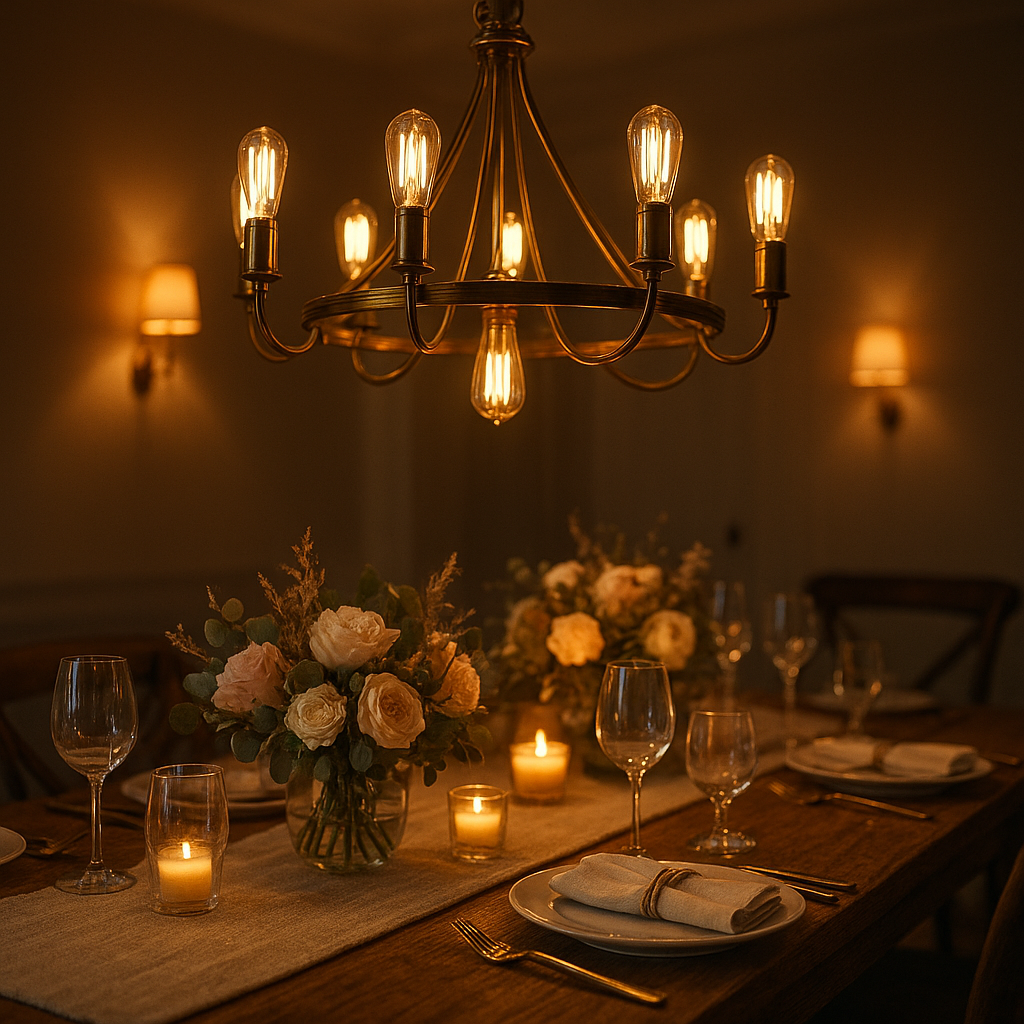
Before diving into specifics, it helps to understand that lighting serves two broad purposes in the home: functional (task-based) and atmospheric (mood-based). The most successful lighting schemes do both simultaneously. A kitchen needs bright, clear light for food preparation, but it also benefits from softer accent lighting over a dining area or island that invites lingering over a glass of wine. Striking that balance is at the heart of great lighting design.
The Three Layers of Lighting Every Room Needs
Professional interior designers and lighting specialists typically talk about three distinct layers of lighting, and understanding these is genuinely the key to getting any room right. Think of these layers as building blocks — each one adds depth, dimension, and purpose to a space.
1. Ambient Lighting: The Foundation
Ambient lighting is the base layer — the general illumination that allows you to move safely through a space and see it in its entirety. This might come from ceiling-mounted fixtures, recessed downlights, pendant lights, or even natural light through windows. The goal of ambient lighting is even, comfortable illumination without harsh shadows or glare.
A common mistake is treating ambient lighting as the only layer. A single overhead bulb flooding a room with bright, flat light might technically illuminate everything, but it strips the space of warmth and character entirely. Think of ambient light as your canvas — essential, but just the beginning.
2. Task Lighting: Light Where You Need It
Task lighting is exactly what it sounds like: focused, directional light that helps you perform specific activities. Under-cabinet lighting in the kitchen, a dedicated reading lamp beside an armchair, vanity lighting in the bathroom, or a desk lamp in a home office — these are all forms of task lighting.
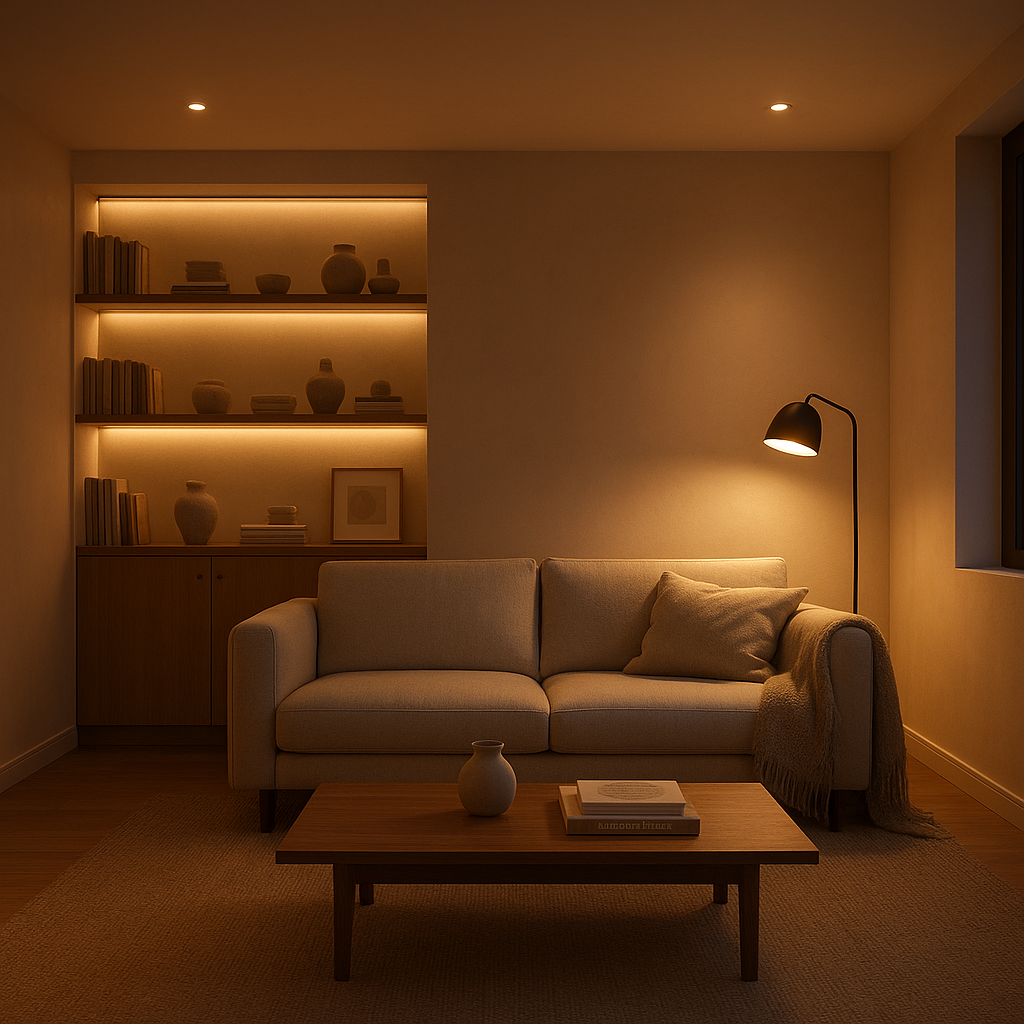
The key to effective task lighting is positioning. It should illuminate the work surface or activity zone without casting shadows or causing glare. For reading specifically, lighting positioned slightly above and behind the shoulder tends to work best. Getting task lighting right isn’t just about comfort — it can also reduce eye strain significantly, which matters enormously if you’re working or reading for extended periods.
3. Accent Lighting: The Detail That Makes the Difference
This is where lighting design becomes genuinely exciting. Accent lighting is used to highlight specific features — a piece of artwork, an architectural detail, a beautiful bookshelf, or a textured wall. It creates focal points, adds drama, and introduces visual depth into a room.
Picture lighting above a framed print, LED strip lighting beneath a floating shelf, wall sconces flanking a fireplace, or uplighting positioned to graze a stone feature wall — all of these are accent lighting techniques. As a general rule of thumb, accent lighting should be approximately three times brighter than the ambient lighting in the same space to create the desired contrast and draw the eye effectively.
Colour Temperature: The Hidden Variable in Lighting Design
One of the most misunderstood aspects of lighting is colour temperature, measured in Kelvins (K). This determines whether a light source appears warm (yellowish), neutral (white), or cool (bluish-white), and it has an enormous impact on the mood of a room.
- Warm white (2700K–3000K): Creates a cosy, relaxed, intimate atmosphere. Ideal for living rooms, bedrooms, and dining areas where you want to encourage relaxation and connection.
- Neutral white (3500K–4000K): Clean and energising without being harsh. Works well in kitchens, bathrooms, and home offices where clarity is important.
- Cool white/daylight (5000K–6500K): Crisp and stimulating, mimicking natural daylight. Best reserved for utility spaces, studios, or areas where detail work is carried out.
A common mistake in home lighting is mixing wildly different colour temperatures across a space or within the same room, which can create a visually incoherent, unsettling effect. As a general principle, stick to one colour temperature family per room, with minor variations between layers if needed.
Natural Light and How to Make the Most of It
No artificial lighting scheme, however well designed, can fully replicate the quality and dynamism of natural light. The direction a room faces, the size and placement of windows, and even the colour of your walls all affect how natural light behaves throughout the day. Understanding your home’s natural light patterns is the first step in designing an effective artificial lighting scheme to complement it.
South-facing rooms in the UK typically enjoy consistent, warm light throughout the day. North-facing rooms, by contrast, tend to receive cooler, more diffuse light and can feel gloomy without thoughtful artificial lighting to compensate. In these spaces, leaning into warmer colour temperatures for your artificial lighting can make a significant difference.
Practical Tips for Maximising Natural Light
- Use light-reflective paint colours — soft whites, warm creams, and pale neutrals bounce light around the room far more effectively than dark or heavily saturated shades.
- Choose mirrors strategically — placing a large mirror opposite a window effectively doubles the amount of light in the room.
- Keep window areas clear of heavy furniture that might block or absorb light near its source.
- Opt for sheer or light-filtering curtains during the day, reserving heavier drapes for privacy and warmth in the evenings.
Lighting by Room: Getting It Right Throughout the Home
Living Rooms
The living room is arguably the most versatile space in the home — it needs to function as a relaxation zone, an entertainment space, and sometimes a reading nook or home office overflow. This versatility demands flexible, layered lighting. Dimmer switches are invaluable here, allowing you to shift the mood from bright and social to soft and relaxed with minimal effort. Floor lamps beside sofas and armchairs add warmth and practicality without the harshness of overhead-only lighting.
Kitchens
Kitchens need to work hard. Bright, shadow-free task lighting over worktops and the hob is non-negotiable from a safety perspective. But many people overlook the opportunity to layer this with warmer ambient lighting — over a kitchen table or island — that makes the kitchen feel like a social heart of the home rather than a purely functional workspace. Under-cabinet LED strips are a simple, affordable upgrade that dramatically improves both the functionality and atmosphere of most kitchens.
Bedrooms
In the bedroom, the lighting goal is simple: support rest and relaxation. Avoid overhead fluorescent or cool-white lighting entirely. Bedside lamps with warm-toned bulbs, soft uplighting, and even the gentle glow of LED strip lighting behind a headboard all create the kind of calm, winding-down atmosphere that supports better sleep. Research by the Sleep Foundation suggests that exposure to warmer, dimmer lighting in the hours before bed helps regulate melatonin production and improves sleep quality.
Bathrooms
Bathrooms present an interesting lighting challenge — you need clarity for practical tasks like applying makeup or shaving, but you also want the room to feel like a sanctuary. The solution is layered lighting: bright, shadow-free light around the mirror for tasks (ideally from both sides rather than just overhead), paired with softer ambient lighting for when you’re soaking in the bath. Backlit mirrors are an increasingly popular option that elegantly serves both functions.
Smart Lighting: The Future of Home Ambience Control
The rise of smart lighting systems has genuinely changed the game for home lighting design. Systems like Philips Hue, LIFX, and various integrated smart home platforms now allow homeowners to control not just the brightness of their lights but also the colour temperature — all from a smartphone or via voice commands. You can programme lighting scenes for different times of day, gradually shift from energising cool light in the morning to warm, dim light in the evening, or set the perfect atmosphere for a dinner party at the touch of a button.
While smart lighting does come with a higher upfront cost, the flexibility it offers is arguably unmatched. For anyone serious about using lighting to transform their home’s ambience, it’s worth considering — at least in key rooms like the living room and bedroom.
Common Lighting Mistakes to Avoid
- Relying solely on overhead lighting: A single ceiling light is almost never enough. Layer your light sources for depth and warmth.
- Ignoring dimmer switches: Dimmers are one of the most cost-effective upgrades you can make to any room. They offer enormous flexibility for very little investment.
- Choosing bulbs based on wattage alone: Always check lumens (brightness) and colour temperature, not just wattage.
- Overlooking the importance of scale: A tiny pendant light in a large room, or an oversized floor lamp in a small space, will always look and feel wrong. Match the scale of your light fittings to the proportions of the room.
- Forgetting about light direction: Light directed upward creates a completely different atmosphere to light directed downward. Play with both within the same space.
Final Thoughts: Light as a Design Tool
Lighting design might not be the first thing that comes to mind when you think about transforming your home, but it should arguably be one of the first things you plan. It’s the invisible hand that shapes how every other element in a room looks and feels — from the colour of your walls to the texture of your fabrics to the mood of the people in it.
The good news is that you don’t need a designer’s budget to make a meaningful difference. Start with the basics: add a floor lamp to a room that only has overhead lighting, swap out a cool-toned bulb for a warm one in your bedroom, install a dimmer switch in your living room. These small, affordable changes can have a surprisingly profound effect on how your home feels to live in — and isn’t that, ultimately, what great interior design is all about?
Approach your lighting thoughtfully, layer it deliberately, and don’t underestimate its power. Your home — and the way you feel within it — will be all the better for it.


0 Comments