How to Blend Vintage Finds Into Your Modern Home Beautifully

There’s something undeniably magical about walking into a home where a worn leather Chesterfield sofa sits beside a sleek mid-century coffee table, or where a Victorian gilt mirror hangs above a minimalist console. When it works — and it absolutely can work — blending vintage finds into a modern home creates spaces that feel layered, personal, and full of stories. But getting the balance right can feel daunting, especially when you’re worried about your home looking like a cluttered antique shop rather than a curated living space.
The good news? Mixing vintage and modern isn’t reserved for interior designers with bottomless budgets and impeccable taste. With a few guiding principles and a bit of confidence, anyone can pull it off. Whether you’ve inherited a beloved piece of furniture, fallen head over heels for a market find, or simply want to introduce more character into a space that feels a touch too polished, this guide will walk you through everything you need to know.
Why Mixing Vintage and Modern Actually Works
Before diving into the how, it’s worth understanding the why. Purely modern interiors, while stunning in their own right, can sometimes feel cold or impersonal — like a showroom rather than a home. Purely vintage interiors risk feeling dated or overly nostalgic. But when you combine the two? You get the best of both worlds: the clean lines and functionality of contemporary design softened by the warmth, patina, and craftsmanship of older pieces.
Interior designers have long championed this approach. According to a 2022 report by Houzz, over 60% of homeowners renovating their spaces opted to incorporate at least some vintage or antique elements alongside newer furnishings. It’s a trend that shows no signs of slowing, largely because vintage pieces offer something mass-produced furniture simply cannot: uniqueness.
There’s also an increasingly compelling sustainability argument. Choosing second-hand or antique furniture over new pieces reduces demand for new production, lowers your carbon footprint, and keeps beautiful objects out of landfill. Vintage shopping is, quite frankly, one of the most eco-friendly home decorating choices you can make.
Start With a Cohesive Colour Palette
One of the most effective ways to ensure vintage and modern pieces look intentional together — rather than mismatched — is to anchor them within a cohesive colour palette. When the colours speak the same language, the eye reads the room as harmonious even if the furniture styles span several decades.
Choose two or three key colours and repeat them throughout the space. Perhaps a warm terracotta vintage ceramic pairs with contemporary terracotta-hued cushions on a modern sofa. Or a dark mahogany antique sideboard is echoed in the rich tones of a modern oak dining table. The pieces don’t need to match exactly — in fact, slight variations add depth — but they should feel as though they belong to the same story.
Warm Neutrals Are Your Best Friend
If you’re unsure where to start with colour, warm neutrals are a wonderfully forgiving base. Shades of cream, warm white, soft greige, and aged linen work beautifully as backdrops because they allow both vintage and modern pieces to shine without competing. Against a pale neutral wall, a striking vintage armchair becomes a focal point; against a rich navy, it becomes part of a more dramatic composition. Neither is wrong — it simply depends on the mood you’re after.
Use Vintage Pieces as Statement Focal Points
One of the easiest and most impactful ways to incorporate vintage finds is to treat them as deliberate focal points rather than trying to fill a room with them. A single extraordinary vintage piece — an ornate chandelier, a carved wooden chest, an oil painting in a gilded frame — can anchor an entire room and give it personality without overwhelming the space.

Think of it as the 80/20 rule applied to interior design: let roughly 80% of your space be modern and considered, then allow the remaining 20% to be vintage, characterful, and perhaps a little unexpected. This ratio can shift depending on your personal style, but it’s a helpful starting point if you’re finding the balance tricky.
Great Vintage Pieces for Modern Homes
- Mirrors: Vintage mirrors, particularly those with ornate or unusual frames, work brilliantly in modern spaces. They add light, character, and a sense of history without taking up floor space.
- Lighting: An antique chandelier or vintage pendant light can transform a room instantly. Don’t be afraid to pair traditional lighting with very modern furnishings — the contrast is often spectacular.
- Storage pieces: Antique chests of drawers, sideboards, and trunks are both practical and beautiful. Their craftsmanship often far surpasses modern equivalents, and they tend to be incredibly durable.
- Textiles: Vintage rugs, particularly Persian or Turkish designs, are among the most versatile vintage pieces you can add to a modern home. They introduce colour, pattern, and warmth underfoot.
- Ceramics and decorative objects: A collection of vintage pottery, glass, or ceramics displayed on open shelving can add enormous character to a contemporary kitchen or living room.
How to Decorate With Antiques in a Modern Style
The key distinction between antiques feeling at home in a modern interior versus feeling out of place often comes down to context and curation. An antique piece placed thoughtfully, with breathing room around it and modern companions that complement rather than compete, will always look more intentional than one that’s been squeezed into a corner as an afterthought.
Here are some practical principles to keep in mind:
- Edit ruthlessly. More is not always more. A single beautiful antique piece styled with intention will always outperform a crowded collection that lacks curation. If in doubt, put something away and live with the space for a week before adding more.
- Mix materials thoughtfully. Aged wood, patinated brass, worn leather, and vintage glass all have a warmth and texture that contrasts beautifully with the cleaner surfaces of modern design — think concrete, glass, powder-coated metal, or smooth plaster.
- Consider scale carefully. A delicate Victorian side table may look lost beside an oversized modern sectional sofa. Think about the visual weight of pieces and how they’ll relate to each other in the room.
- Don’t over-match. Resist the urge to match every finish or style too precisely. A little visual tension — a rough-hewn antique next to something very refined and modern — is what makes a space feel alive and interesting.
Mixing Modern and Antique Furniture in Key Rooms
The Living Room
The living room is arguably the easiest place to begin blending vintage and modern, as it tends to have the most flexibility in terms of furnishings. A classic approach is to pair a modern sofa — clean lines, contemporary upholstery — with a vintage coffee table or side tables. The contrast between the two is striking but cohesive, especially when tied together with a vintage rug that picks up colours from both pieces.
Gallery walls are another fantastic opportunity. A mix of vintage prints, antique frames, and contemporary artwork hung together creates a layered, collected feel that tells the story of someone who genuinely loves beautiful things. If you’re drawn to bolder, more unconventional art choices, exploring how to incorporate street art into your home can offer a striking counterpoint to more traditional vintage pieces.
The Bedroom
In the bedroom, vintage pieces have a particular power to make a space feel romantic and restful. An antique wardrobe or chest of drawers paired with a simple modern bed frame and crisp contemporary bedding creates a beautifully balanced room. Alternatively, a vintage headboard — perhaps salvaged from an old iron bedstead or reupholstered in a modern fabric — can be a stunning centrepiece.
Bedside tables are a wonderful opportunity to mix and match. Two entirely different vintage finds can work as mismatched bedside tables, adding an eclectic, collected quality that feels intentional rather than indecisive — particularly if they share a similar height or finish.
The Kitchen and Dining Room
Kitchens are often the most modern room in the home by necessity, which makes them a brilliant canvas for vintage accents. Open shelving displaying vintage crockery or glassware, a reclaimed wooden dining table paired with contemporary chairs, or vintage pendant lights above a sleek island — these combinations bring warmth and personality to what can otherwise be a clinical space.
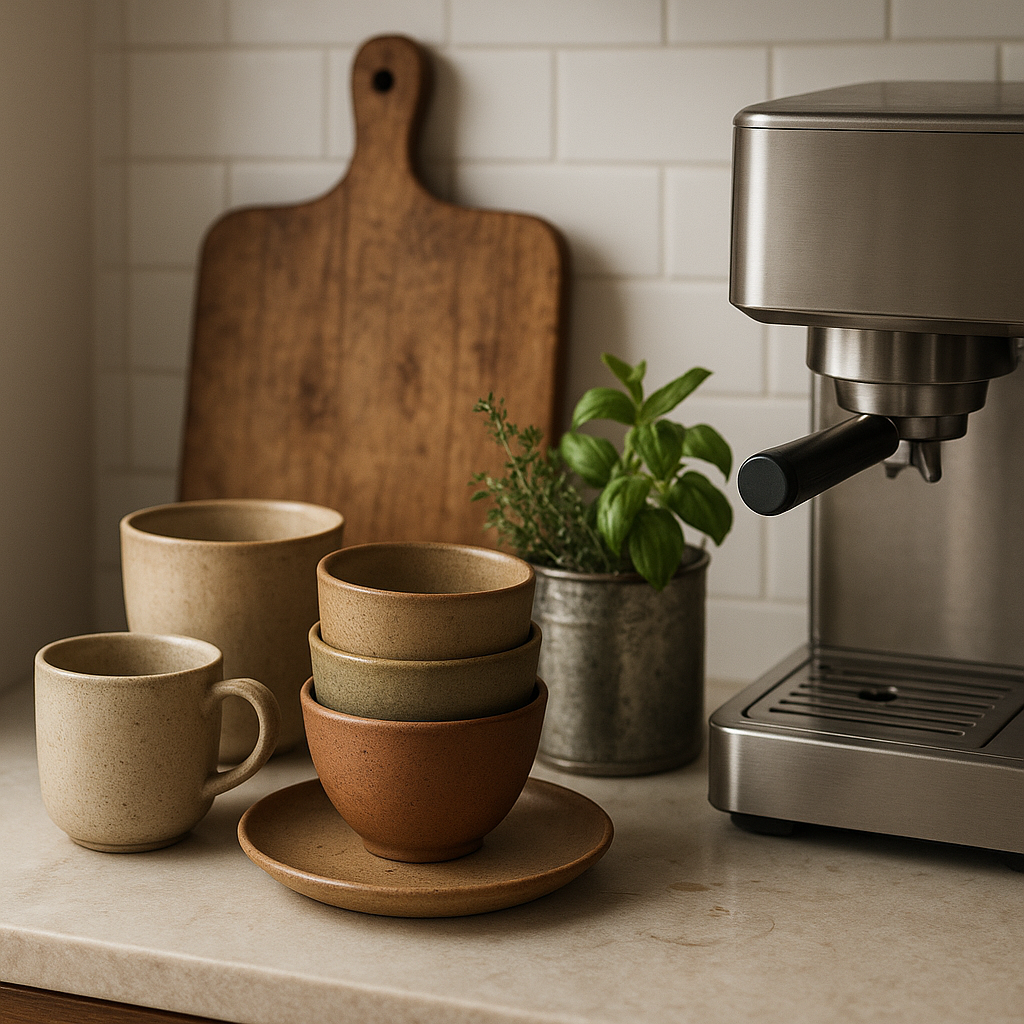
In the dining room, consider mixing chair styles deliberately. A set of modern dining chairs paired with one or two vintage carvers at the heads of the table creates a dynamic, layered look that’s become something of a design staple for good reason.
Of course, furniture is only part of what gives a home its character. Original fireplaces, exposed beams, period mouldings, and other architectural details can provide a beautiful backdrop for mixing old and new. While cosmetic updates are generally straightforward, more substantial changes to an older property deserve careful planning. For homeowners considering renovation work, professional guidance from chartered surveyors such as Cavendish Surveying can help them understand their property’s condition before making significant alterations. That way, modernising the space needn’t come at the expense of the features that make it distinctive.
Where to Find Vintage Pieces Worth Incorporating
Part of the joy of decorating with vintage finds is the treasure-hunt quality of sourcing them. Unlike buying everything new from a single retailer, building a home with vintage elements is an ongoing, evolving process — and that’s part of what makes it so rewarding.
- Antique markets and fairs: Events like Ardingly Antiques Fair, Newark Antiques Fair, and local car boot sales are brilliant hunting grounds. Go early, take measurements of your key spaces, and always check pieces thoroughly before buying.
- Charity shops and second-hand shops: Often overlooked, but regularly yielding genuinely beautiful finds — particularly ceramics, glassware, artwork, and smaller furniture pieces.
- Online marketplaces: Platforms like eBay, Vinterior, Selency, and Facebook Marketplace have made it easier than ever to find specific vintage pieces without leaving home.
- Estate sales and house clearances: Often the best source for larger furniture pieces, and frequently offering excellent value.
- Specialist antique dealers: Worth visiting when you’re looking for something specific or particularly high quality — dealers can also be a wealth of knowledge about provenance and care.
Common Mistakes to Avoid
Even the most enthusiastic vintage lovers can fall into a few common traps when it comes to integrating older pieces into a modern home. Being aware of these pitfalls can save you considerable time, money, and decorating regret.
- Buying without a plan: Impulse purchases are part of the fun, but always have a rough sense of where a piece might live in your home before you commit. A beautiful vintage sideboard is considerably less beautiful wedged awkwardly into a corner it doesn’t fit.
- Ignoring condition: Patina and wear can be charming; structural damage and deeply musty smells are rather less so. Always assess condition carefully and factor in any restoration costs.
- Over-theming: Buying too many pieces from the same era or style can tip your space from curated into costume. Mix periods and styles freely — a Georgian side table can absolutely coexist with a 1970s ceramic lamp and a Victorian mirror.
- Forgetting about proportion: A delicate vintage piece can feel lost in a large modern room; an oversized antique can overwhelm a small contemporary space. Always consider scale.
Bringing It All Together
Ultimately, the most beautiful homes are the ones that feel genuinely lived in and personal — and vintage pieces are one of the most powerful tools available to achieve that feeling. They carry history, craftsmanship, and character that no amount of money spent in a contemporary furniture showroom can quite replicate.
The secret to blending vintage finds into your modern home beautifully isn’t a rigid formula. It’s about developing an eye for what works together, trusting your instincts, editing with confidence, and allowing your home to evolve gradually over time. Start with one or two pieces that you truly love, place them thoughtfully, and build from there.
The best vintage-meets-modern interiors always feel like they’ve been assembled by someone with genuine curiosity and affection for beautiful things — and that is absolutely something you can cultivate, one find at a time.

0 Comments