The Benefits of Minimalist Home Decor for a Calmer Life
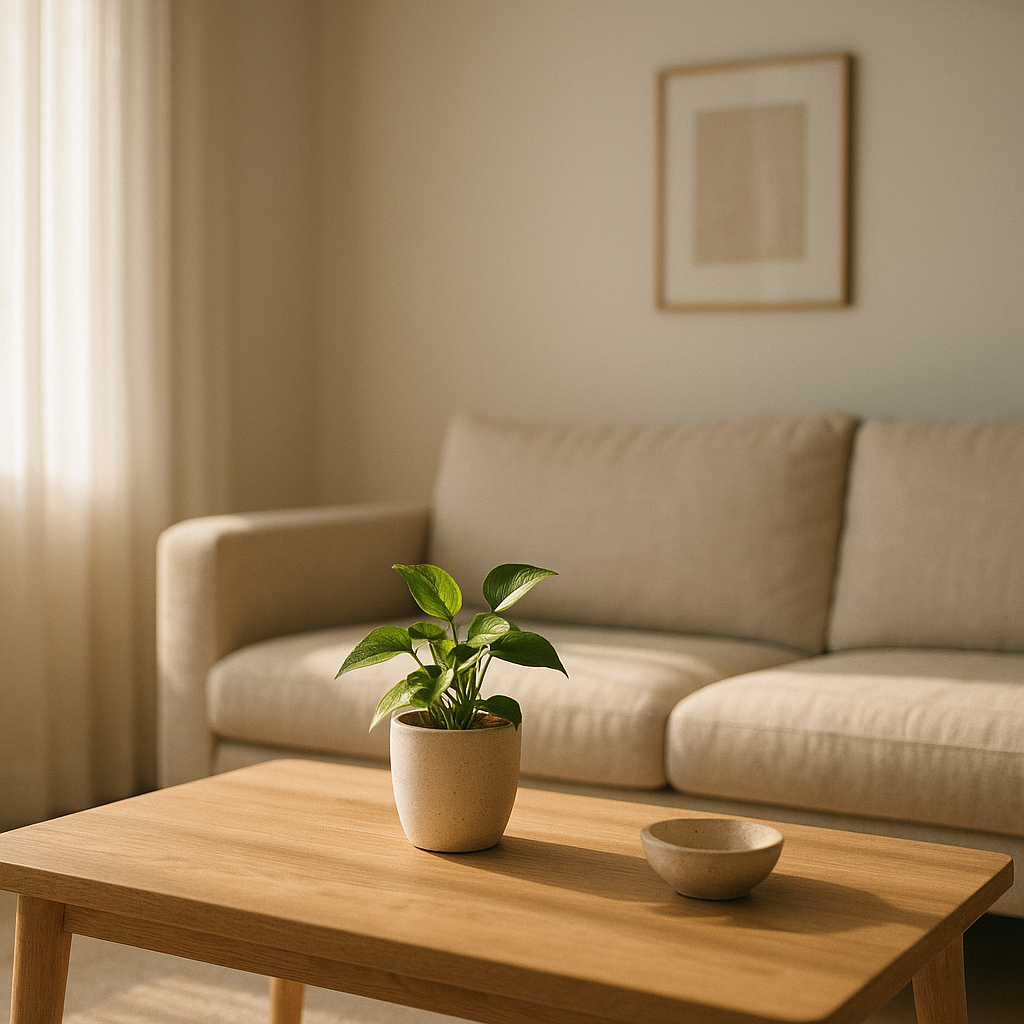
There’s something deeply appealing about walking into a room that feels breathable. No visual clutter competing for your attention, no piles of things you mean to deal with later, just clean surfaces, purposeful objects, and a sense of calm that seems to settle over you the moment you cross the threshold. That’s the quiet power of minimalist home decor — and it’s far more than just an aesthetic trend.
Minimalism as a design philosophy has roots stretching back to post-war Japan and mid-century Scandinavian design, but it’s never felt more relevant than it does right now. As our digital lives grow noisier and our schedules more demanding, many of us are turning to our homes as a genuine refuge. The way we decorate those spaces has a measurable impact on how we feel — and minimalist design, done thoughtfully, can genuinely transform your daily life.
Whether you live in a compact city flat or a spacious family home, this guide will walk you through the real benefits of embracing minimalist home decor — and give you practical, honest advice for getting started.
What Is Minimalist Home Decor, Really?
Before we dive into the benefits, it’s worth clearing up a common misconception: minimalist home decor doesn’t mean cold, sterile, or devoid of personality. It’s not about getting rid of everything you love or living in a space that looks like an empty showroom.
At its core, minimalist interior design is about intentionality. It’s the practice of keeping only what serves a purpose — functional, emotional, or aesthetic — and giving those chosen items the space to breathe. The philosophy borrows heavily from the Japanese concept of ma, which refers to meaningful negative space, and from the famous design principle often attributed to architect Ludwig Mies van der Rohe: “Less is more.”
Key Characteristics of Minimalist Interior Design
- Neutral or restrained colour palettes — whites, creams, warm greys, soft beiges, and occasional muted accents
- Clean lines and simple silhouettes in furniture and architectural features
- Quality over quantity — fewer pieces chosen with care rather than accumulated over time
- Functional storage that keeps everyday items out of sight
- Natural materials — wood, linen, stone, and cotton used to add warmth without visual noise
- Deliberate use of negative space, allowing the eye to rest
It’s a style that rewards patience. You don’t achieve it overnight, and you don’t achieve it by simply buying a new set of matching boxes. True minimalist decor evolves as you become more honest about what you actually need and love.
The Genuine Benefits of Minimalist Home Decor
1. It Genuinely Reduces Stress and Anxiety
This isn’t just anecdotal. Research published in the journal Personality and Social Psychology Bulletin found that women who described their homes as cluttered or full of unfinished projects had higher levels of the stress hormone cortisol throughout the day. By contrast, women who described their homes as restful and restorative showed lower cortisol profiles.
Visual clutter competes for your attention constantly, even when you’re not consciously aware of it. Your brain processes every item in your environment as a potential task or decision — should I deal with that? Where does that go? I really must sort that out. A minimalist space dramatically reduces that cognitive load, giving your mind permission to actually switch off.
Many people who adopt minimalist home decor report that they sleep better, feel less anxious, and find it easier to focus. That’s not coincidence — it’s your nervous system responding to an environment that isn’t constantly demanding something from you.
2. It Makes Your Home Easier to Clean and Maintain
This might sound mundane, but it’s genuinely life-changing. Fewer objects on surfaces means less dusting. Less furniture arranged in complicated configurations means hoovering takes half the time. When everything has a designated place, tidying up becomes a five-minute job rather than a Saturday afternoon project.
For families, minimalist design principles can reduce the daily chaos significantly. When children know where things live and there aren’t excessive amounts of stuff to manage, the whole household runs more smoothly. It’s not magic — it’s just good systems made possible by having less.
3. It Can Make Small Spaces Feel Significantly Larger
Minimalist interior design is particularly powerful in smaller homes and flats. By keeping furniture scaled appropriately, limiting decorative items, using consistent flooring throughout, and allowing walls to remain largely clear, you create a visual flow that makes a space feel more expansive than it actually is.

In a minimalist living room, for example, a single well-chosen sofa in a neutral linen fabric, a simple coffee table, and carefully edited artwork will make the room feel open and considered. Stack that same room with furniture, rugs, cushions, ornaments, and wall hangings, and it suddenly feels cramped — regardless of how charming each individual piece might be.
For those searching for minimalist interior design ideas for a small house specifically, the principles are the same but the stakes feel higher. Every piece must earn its place. Every surface must serve multiple purposes where possible.
4. It Encourages More Mindful Consumption
One of the quieter benefits of committing to a minimalist home is what it does to your shopping habits. When you’ve worked to create a curated, intentional space, you become much more deliberate about what you bring into it. Impulse purchases lose their appeal. Trends feel less urgent. You start asking do I genuinely love this? rather than it was on sale and seemed like a good idea.
This shift doesn’t just save money (though it does). It also reduces waste, lessens your environmental footprint, and means that the things you do choose to buy tend to be better quality — items built to last rather than to impress briefly and then disappoint.
5. It Creates Space for What Actually Matters
Perhaps the most profound benefit of minimalist home decor isn’t about the decor at all — it’s about what the cleared space allows in. When your home isn’t demanding constant management, you have more time and mental energy for the people and activities that genuinely enrich your life.
There’s a reason minimalism as a broader lifestyle philosophy has resonated so deeply with so many people. It’s not about deprivation. It’s about subtraction in service of clarity — removing the unnecessary so the essential can be seen and felt more fully.
How to Achieve a Minimalist Home Decor Style
The good news is you don’t need to gut your entire home to start experiencing the benefits of minimalist design. Small, deliberate changes compound over time. Here’s how to approach it sensibly.
Start With a Single Room
Trying to declutter and redesign your entire home at once is overwhelming and unsustainable. Choose one room — ideally the one where you spend the most time, or the one that causes you the most visual stress — and begin there. The bedroom is often a powerful starting point, as it directly affects sleep quality and your mental state first thing in the morning.
Declutter Before You Decorate
This is perhaps the most important principle. Many people try to organise their way to minimalism, buying storage solutions for things they probably shouldn’t be keeping in the first place. Before you invest in anything new, go through what you have honestly. Ask yourself: Does this serve a function I actually need? Do I genuinely love it? Would I buy it again today?
If the answer to all three is no, it’s a candidate for donation, selling, or recycling.
Choose a Cohesive, Restrained Colour Palette
A minimalist colour scheme doesn’t have to be all white — in fact, an all-white home can feel clinical rather than calm. Instead, build a cohesive palette of two or three complementary neutrals, and introduce warmth through natural materials and textures. Warm whites, oatmeal linens, pale oak wood, and the occasional deep terracotta or forest green accent can create a space that feels both simple and genuinely inviting.

Invest in Quality Pieces With Clean Lines
In a minimalist home, individual pieces are more visible — which means they need to be able to withstand scrutiny. This is the moment to invest in a sofa you truly love, a dining table built to last, or a bed frame with real presence. It’s far better to have fewer, better things than a room full of mediocre furniture dressed up with accessories.
Be Strategic About Decorative Items
Minimalist decor doesn’t mean no decoration. It means considered decoration. A single piece of original artwork, a ceramic vase with a few stems, a beautifully curated piece of wall art — these things add personality and warmth without creating visual noise. The key is restraint: if in doubt, edit rather than add.
Embrace Negative Space
This is perhaps the hardest habit for most people to adopt, because empty space can initially feel like something is missing. Give yourself time to adjust. That blank wall, that clear windowsill, that uncluttered coffee table — they’re not mistakes waiting to be filled. They’re part of the design. They’re where your eye gets to rest.
Minimalist Design for Different Rooms
Minimalist Living Room Ideas
In the living room, focus on a single, well-proportioned sofa or seating arrangement rather than filling every corner. Choose a simple coffee table — one with storage if needed — and limit decorative accessories to three to five carefully chosen pieces. Keep technology tidy; cable management matters more than most people realise in a minimalist space.
Minimalist Bedroom Design
The bedroom benefits enormously from minimalist principles. Keep surfaces as clear as possible, invest in quality bedding in natural fibres, and resist the temptation to use the bedroom as storage overflow. Blackout curtains or simple linen panels, warm lighting, and a bedside table with just the essentials will create the restful retreat your bedroom should be. Many people find that winding down with a book rather than a screen fits naturally into this kind of pared-back evening routine.
Minimalist Design for Small Houses
In smaller homes, built-in storage is your best friend. It keeps everyday items hidden without sacrificing floor space. Mirrors used strategically can amplify natural light and create a sense of depth. Choose furniture with legs rather than pieces that sit directly on the floor, as this creates visual lightness and makes rooms feel airier.
Conclusion: Simplicity as a Form of Self-Care
Minimalist home decor isn’t a sacrifice. It’s a gift you give yourself — the gift of a home that supports your wellbeing rather than quietly draining it. When you strip away the excess and design your space with genuine intentionality, something interesting happens: the home becomes a place you actually want to be in. Not because it’s impressive or perfectly styled, but because it feels like it belongs to you — like it sees you clearly.
The benefits are real: reduced stress, easier maintenance, a stronger sense of calm, more mindful spending, and a deeper appreciation for the things that remain. You don’t need to become a hardcore minimalist overnight, or ever. But leaning into the principles — even a little — can quietly change the quality of your everyday life in ways you might not expect.
Start with one surface. One room. One honest decision about whether something earns its place in your home. That’s often all it takes to begin.


0 Comments