Exploring Biophilic Design Benefits for Urban Dwellers
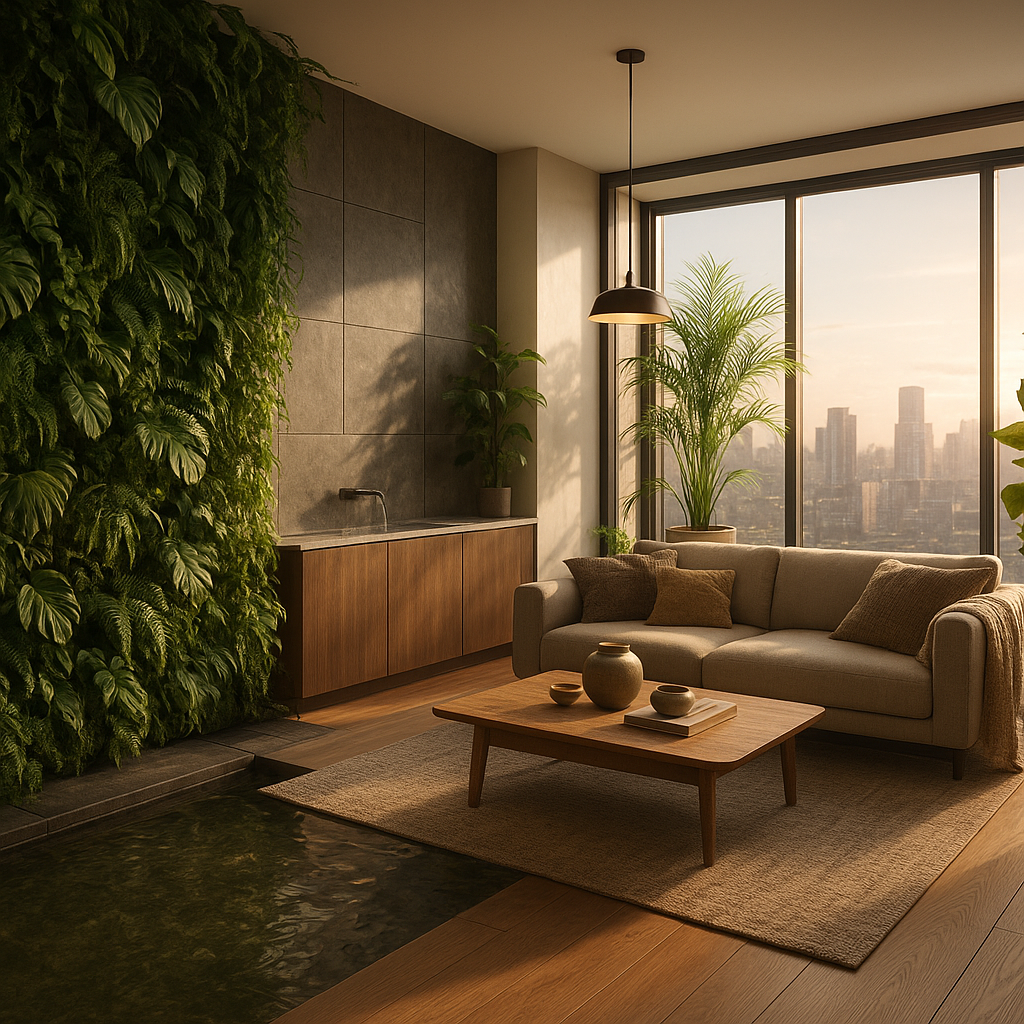
If you live in a city, you already know the feeling: the hum of traffic, the concrete stretching in every direction, the occasional tree looking slightly out of place between a café and a car park. Urban life offers a remarkable amount of convenience and connection, but it often comes at a quiet cost — a gradual disconnection from the natural world that our bodies and minds are fundamentally wired to need. That’s where biophilic design comes in, and if you’ve never heard of it, you’re in for a genuinely exciting discovery.
Biophilic design isn’t just an interior trend or a buzzword architects throw around at conferences. It’s a thoughtful, evidence-backed approach to creating living and working spaces that actively nurture our innate bond with nature. For urban dwellers in particular, it represents something almost revolutionary: the idea that your home or flat can do more than shelter you — it can heal you.
What Does Biophilic Actually Mean?
The term “biophilic” comes from the Greek words bios (life) and philia (love or affinity). Coined in its modern psychological sense by the biologist E.O. Wilson in the 1980s, the biophilia hypothesis suggests that humans have an instinctive, deeply rooted connection to other living systems and nature. We didn’t evolve in offices or tower blocks — we evolved outdoors, surrounded by living organisms, natural light, water, and organic textures. Our nervous systems still remember that.
Biophilic design, then, is the practice of incorporating nature — or natural elements, patterns, and experiences — into the built environment to support human health and wellbeing. It operates on the understanding that when we surround ourselves with natural elements, we aren’t just making things look prettier. We’re actually engaging with our evolutionary heritage in a way that has measurable physical and psychological effects.
The Core Principles: Understanding the 14 Patterns of Biophilic Design
Researchers Stephen Kellert, Judith Heerwagen, and Martin Mador developed what has become one of the most widely referenced frameworks in the field — the 14 patterns of biophilic design. These patterns are grouped into three broad categories:
Nature in the Space
This includes direct, physical elements of nature within a room or building — things like indoor plants, water features, natural light, fresh air, and even animals. It’s the most immediately recognisable form of biophilic design and the easiest to implement at home.
Natural Analogues
These are indirect references to nature — organic shapes, natural materials like wood and stone, images of landscapes, botanical patterns in textiles, and biomimicry in design. Even a linen cushion or a wooden chopping board ticks this box.
Nature of the Space
This is the more subtle and spatial dimension of biophilic design: how a space makes you feel in relation to your environment. Think of the pleasure of sitting in a window nook overlooking a garden (prospect and refuge), or the way a high-ceilinged room with an open view can feel liberating. These spatial experiences tap into deep evolutionary responses around safety, exploration, and awe.
The Real Benefits of Biophilic Design for Urban Homes
It would be easy to assume that biophilic design is a luxury — something for people with large gardens or light-filled penthouses. But the evidence suggests the benefits are genuinely accessible, even in a modest flat, and the impact can be profound.
Reduced Stress and Anxiety
One of the most well-documented benefits of biophilic design is its effect on the nervous system. Studies have consistently shown that exposure to natural elements — even something as simple as a view of trees or a potted plant on a desk — can lower cortisol levels (the body’s primary stress hormone), reduce blood pressure, and slow heart rate.
A landmark study published in the journal Environment and Behaviour found that people in rooms with plants reported significantly lower levels of stress and anxiety than those without. For urban dwellers who face daily environmental stressors like noise pollution, crowding, and a relentless pace of life, this isn’t trivial — it’s a genuine quality-of-life improvement available from your living room.

Better Sleep and Circadian Rhythm Regulation
Natural light is one of the most powerful tools in biophilic design, and one of the most neglected in urban architecture. Our circadian rhythms — the internal clocks that regulate sleep, mood, digestion, and dozens of other bodily functions — are governed by light cues. When we live in artificially lit spaces with little access to natural daylight, those rhythms drift.
Maximising natural light in your home through strategic mirror placement, light-coloured walls, unobstructed windows, and thoughtful furniture arrangement can have a dramatic effect on sleep quality and daytime alertness. Even introducing full-spectrum light bulbs in spaces that don’t receive much daylight is a step in the right direction.
Improved Focus and Cognitive Performance
Research conducted at the University of Michigan found that a 50-minute walk in nature significantly improved memory performance and attention. But you don’t need to head to a park every time you need to concentrate. Incorporating natural elements into your home workspace — even a small plant, a view of the sky, or natural wood textures — has been shown to improve focus and reduce mental fatigue.
This is increasingly relevant as more people work from home. A biophilically designed home office isn’t an indulgence; it’s a productivity tool. Pairing thoughtful plant placement with smart home technology for city living can help you create a workspace that supports both focus and comfort throughout the day.
Enhanced Emotional Wellbeing and Mood
There’s a reason that being in nature tends to make us feel more generous, more creative, and more at peace. Biophilic design researchers have found that natural environments activate the parasympathetic nervous system — the “rest and digest” mode that counters our stress response. Urban environments, by contrast, tend to activate the sympathetic (fight or flight) response almost constantly.
Bringing nature indoors helps tip that balance back. Green walls, natural scents (think eucalyptus, pine, or lavender from real plants), water sounds, and natural textures all contribute to a measurable uplift in emotional wellbeing.
Practical Ways to Bring Biophilic Design Into Your Urban Home
You don’t need to gut your flat or hire an architect to start reaping the benefits of biophilic design. Many of the most effective changes are surprisingly affordable and achievable in a weekend.
Start with Plants — But Be Strategic
Not all houseplants are created equal from a biophilic design perspective. Rather than dotting a few succulents around randomly, think about creating visual density and layering. A combination of tall floor plants (like fiddle-leaf figs or monstera), mid-height plants on shelves, and trailing varieties like pothos or string of pearls creates a sense of lush, layered nature that mirrors how plants actually grow outdoors. If you’re working with limited floor space, there are plenty of ways to maximise small spaces with plants without your home feeling cluttered.
- Air-purifying plants: Peace lilies, snake plants, and spider plants are excellent choices for urban flats with limited ventilation.
- Low-maintenance options: If you travel frequently or forget to water, ZZ plants and cacti will thrive with minimal attention.
- Scented plants: Jasmine, lavender, and rosemary add an olfactory dimension to biophilic design that’s often overlooked.
Maximise Natural Light
Even in a north-facing flat, you can dramatically improve your relationship with natural light. Keep window sills clear, opt for sheer curtains over heavy drapes, use large mirrors to bounce light into darker corners, and paint walls in light, warm tones that reflect rather than absorb light. If you have the option to rearrange furniture, position your most-used spaces — your sofa, desk, or dining table — closest to windows.
Choose Natural Materials
Swap out synthetic materials wherever you can for natural analogues. This doesn’t mean you need to renovate. Swapping a synthetic rug for a jute or wool one, adding linen throws, choosing a timber coffee table, or hanging woven rattan lampshades all contribute to the sensory richness that biophilic design depends upon. Even the texture of a terracotta pot or a rough-hewn wooden bowl on your kitchen counter plays a role.

Introduce Water Features
The sound of moving water has one of the most reliably calming effects on the human nervous system — which is why we often feel so peaceful near rivers, fountains, and the sea. Small indoor water features are more practical than they sound; tabletop fountains are compact, affordable, and surprisingly effective at creating a sense of calm in a small space.
Use Nature-Inspired Colours and Patterns
Earthy tones — terracotta, sage green, warm ochre, soft stone — connect us to the natural world even in a purely visual way. Botanical prints, stone-effect tiles, and organic shapes in furniture all contribute to the natural analogue dimension of biophilic design. When decorating, think about the colour palette of the landscape you find most calming and bring that into your home.
Biophilic Design as a Social Issue
It’s worth acknowledging that access to green space and natural environments is profoundly unequal in cities. Those in lower-income urban areas often have less access to parks, gardens, and trees — a disparity with real health consequences. Research has consistently shown that proximity to green space correlates with lower rates of depression, obesity, and cardiovascular disease.
This is why biophilic design advocates increasingly argue that it’s not just an aesthetic or personal health concern — it’s a matter of social equity. Urban planning that prioritises green corridors, community gardens, rooftop growing spaces, and tree-lined streets isn’t just environmentally responsible; it’s a public health intervention. Bringing these conversations into the mainstream is part of what makes biophilic design such a compelling — and important — movement right now.
Is Biophilic Design Worth It? The Evidence Says Yes
For anyone still on the fence, the data is genuinely compelling. A report by Terrapin Bright Green, a leading consultancy in biophilic design, found that biophilic design in workplaces led to a 15% increase in wellbeing and a 6% increase in productivity. In healthcare settings, patients in rooms with natural views required less pain medication and recovered faster. In schools, students in classrooms with daylight and plants demonstrated improved test scores and reduced absenteeism.
These aren’t marginal effects. They represent meaningful improvements in how people feel, function, and thrive — and they’re achievable in your home as much as in any commercial building.
Bringing It All Together
Biophilic design isn’t about creating a jungle in your living room (though, honestly, there’s nothing wrong with that). It’s about recognising that your home environment has a profound effect on your wellbeing, and making intentional choices to align that environment with your deepest biological needs. For urban dwellers — many of whom spend the vast majority of their time indoors — this is particularly urgent.
Whether you start with a single plant on your windowsill, rearrange your furniture to capture more natural light, or invest in a beautiful piece of reclaimed wood furniture, each step towards a more biophilic home is a step towards feeling more grounded, more at ease, and more connected — to yourself, to the living world, and to the space you call home.
The concrete jungle doesn’t have to be purely concrete. A little green goes an incredibly long way.



0 Comments