How to Navigate the Challenges of Public Transportation: Strategies for a Smooth Commute
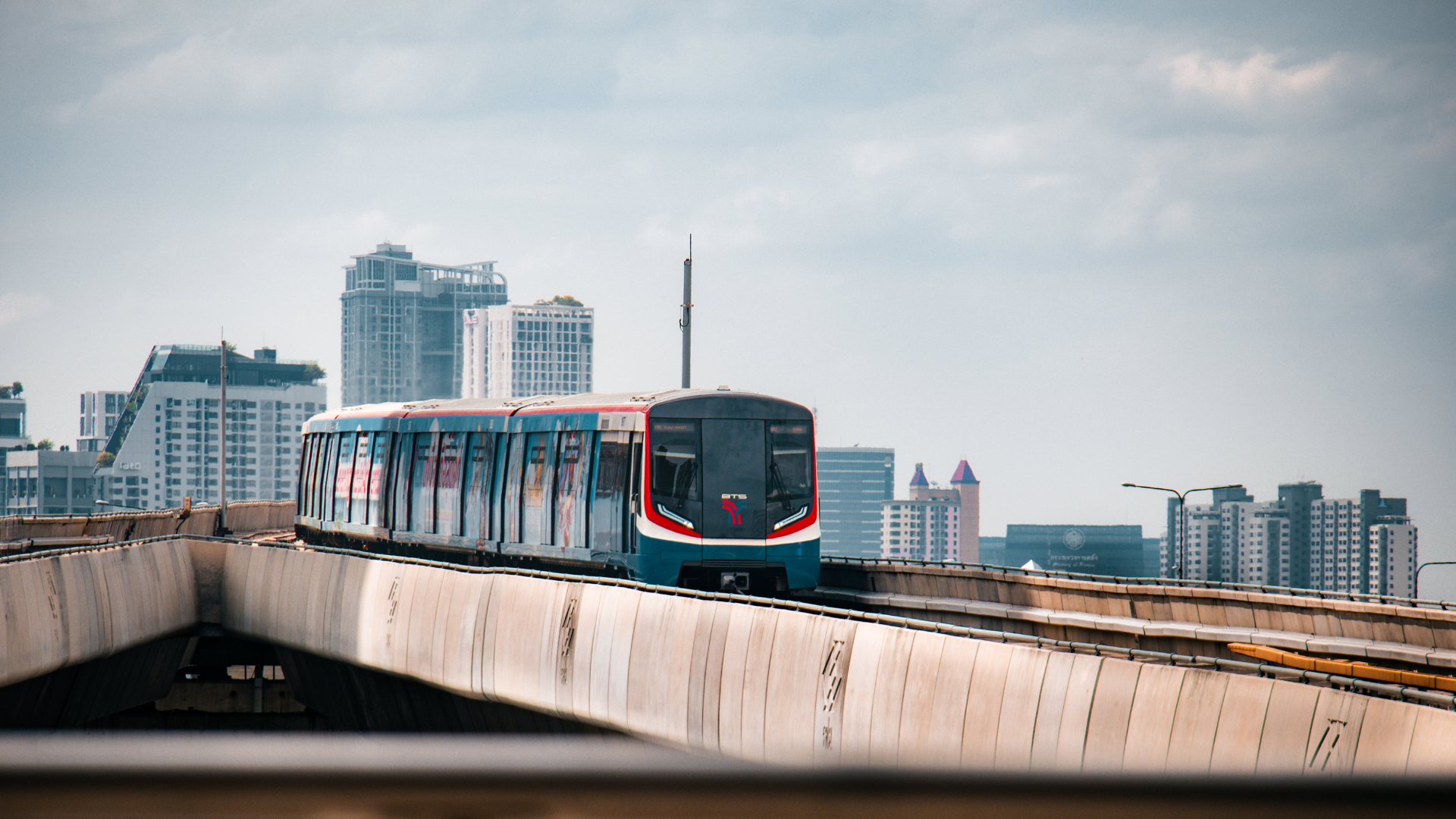
Navigating public transportation can be daunting, especially in large cities where options are plentiful yet challenging. Understanding the strategies to effectively use public transport can significantly enhance commuting experiences, making travel more efficient and less stressful. Accessibility is a key factor, as many systems strive to accommodate all riders, but challenges still exist.
Urban mobility relies heavily on public transport, which plays a vital role in promoting environmental sustainability. By choosing buses, trains, or subways over personal vehicles, individuals can reduce their carbon footprint while contributing to less congested streets. This approach not only benefits the environment but also enhances personal well-being through decreased travel time.
For many commuters, mastering the nuances of public transport systems can lead to greater confidence and independence. From planning routes to understanding schedules, knowing how to navigate these systems is essential for anyone looking to optimize their travel in bustling urban environments.
Navigating Public Transportation Systems
Public transportation systems provide an essential means of mobility, connecting individuals to various destinations efficiently. Understanding the types of services available, recognizing their advantages, and being aware of the challenges can greatly enhance the experience.
Understanding Types of Public Transport
Public transportation encompasses several modes, including buses, trains, trams, and more recently, autonomous vehicles. Buses often serve as the backbone of urban transit due to their flexibility and extensive routes. Trains are ideal for longer distances, particularly between cities, offering speed and reliability.
Electric buses are gaining popularity, contributing to environmental sustainability. Ride-sharing services also complement traditional public transport, providing convenient alternatives for last-mile connectivity. Each mode serves distinct corridors and needs, so selecting the appropriate option is crucial for efficient travel.
Advantages of Public Transit
Utilizing public transit comes with notable benefits. It reduces congestion by minimizing the number of vehicles on the road, leading to shorter travel times.
Cost-effectiveness is another key advantage; tickets for buses and trains are generally cheaper than maintaining a personal vehicle.
Public transportation also promotes inclusivity, making it accessible for individuals without cars or those who desire eco-friendly travel options. Furthermore, real-time information apps enhance the experience by helping users avoid delays and overcrowding.
Challenges in Public Transportation
Despite its advantages, public transportation poses certain challenges. Overcrowding can lead to uncomfortable experiences, especially during peak hours. Service disruptions due to maintenance or unexpected incidents can further complicate commutes, leaving users frustrated.
Additionally, disparities in service quality may exist between urban and rural areas, impacting accessibility. Staying informed through real-time updates can help mitigate these issues, allowing users to plan their journeys more effectively.
Another concern is the risk of injuries that can occur because of these challenges, such as slips and falls in overcrowded stations, sudden stops causing passengers to lose balance, or accidents resulting from poor vehicle maintenance. If such incidents occur, individuals should document the scene, seek medical attention, and report the issue to the proper authorities to protect their rights. Also, in these situations, seeking help from professionals from institutions like Lowry Law can be beneficial, as they can guide victims through the legal process, determine liability, and pursue fair compensation for their injuries.
Accessibility and Inclusion in Transit
Accessibility and inclusion are vital for ensuring equitable public transportation. Efforts must focus on physical access and the integration of technology to serve diverse communities, especially those who are vulnerable or low-income.
Improving Access for All
Ensuring that public transport systems accommodate all users requires the implementation of various accessibility measures.
- Ramps and Elevators: These features are essential at stations and on vehicles, enabling individuals with mobility impairments to navigate easily.
- Designated Seating: Prioritizing seating for those who need it, such as elderly passengers or those with disabilities, fosters inclusivity.
- Audible and Visual Announcements: Clear communication helps visually impaired and hearing-impaired passengers stay informed about service changes.
Strategically designing transit infrastructure to include these features can significantly enhance the comfort of vulnerable communities.
Technology and Accessibility Features
Digital solutions play a key role in making transit systems more accessible. Mobile apps can provide crucial information tailored to individual needs.
- Route Planning: Users can receive real-time updates on routes that best suit those with mobility challenges.
- Accessibility Features in Apps: Features like voice commands or large print options assist various users.
- Addressing the Digital Divide: It’s vital to ensure that low-income communities have access to technology. Public institutions can help by offering resources for those who lack smartphones or internet access.
Emphasizing technological advancements will improve overall inclusivity in public transportation systems.
Environmental Impact of Public Transport
Public transportation plays a vital role in reducing environmental challenges associated with urban mobility. By minimizing congestion and promoting sustainable practices, it contributes to improving air quality and mitigating climate change.
Reducing Congestion and Emissions
Public transport significantly reduces road congestion. When more individuals opt for buses, trains, or trams, fewer cars occupy roadways, resulting in decreased traffic jams. This shift leads to lower greenhouse gas emissions, helping to combat climate change.
Public transit systems are typically more efficient than single-occupancy vehicles. For instance, a city bus can replace up to 50 cars on the road, dramatically cutting down emissions per passenger mile.
Furthermore, many transit agencies are incorporating hybrid vehicles into their fleets. These vehicles utilize both electric and conventional fuel, further lowering environmental impact while maintaining service efficiency.
Toward Sustainable Transportation
Sustainable transportation initiatives focus on reducing harmful pollutants from vehicles. Public-private partnerships are essential in developing green technologies and infrastructures, such as electric bus charging stations and improved rail systems.
Investments in these areas can enhance air quality while fostering a commitment to sustainability. Cities are increasingly recognizing the importance of integrating eco-friendly practices within public transport systems.
Additionally, the push toward alternative fuels contributes to long-term sustainability goals. The adoption of biofuels and electrification in public transit is crucial for reducing reliance on fossil fuels, thus promoting a healthier planet.
Future Developments and Urban Transit
The landscape of urban transit is evolving with innovative technologies and collaborative investments. Focus areas include the integration of intelligent systems and addressing the challenges posed by aging infrastructure and accessibility.
Innovations in Urban Mobility
Technological advancements are reshaping how urban transit operates. Cities are increasingly adopting intelligent traffic management systems to optimize traffic flow and reduce congestion. These systems use real-time data to adjust traffic signals and improve transit efficiency.
Moreover, the rise of electric and autonomous vehicles is set to transform public transportation networks. Electric buses and shared autonomous shuttles provide eco-friendly alternatives that can navigate urban landscapes more effectively.
Mobility-as-a-Service (MaaS) platforms are also gaining traction, enabling users to plan, book, and pay for various transportation modes through a single application. This convenience enhances accessibility, especially for underserved populations.
Public and Private Investments
Investment in urban transit systems is crucial for improving service quality and accommodating population growth. Governments are recognizing the need to modernize aging infrastructure, leading to significant funding for upgrades.
Public funding often combines with private investments to accelerate projects. Collaborations between public entities and private firms can enhance innovation while addressing gaps in services.
Investment in education on public transit benefits users as well. Communities can promote awareness about available services and how to navigate them effectively.
Strategically planned investments not only improve current systems but also pave the way for future developments that prioritize accessibility and sustainability in urban transit networks.



0 Comments