The Hardest Instruments to Play: A Comprehensive Overview

Musical instruments vary greatly in complexity, and determining which ones are the hardest to learn can spark interesting discussions among musicians and enthusiasts alike. The hardest instruments to play often include the violin, French horn, and organ, due to their physical challenges and steep learning curves. Mastering these instruments requires patience, dedication, and precise technique, making the journey both demanding and rewarding.
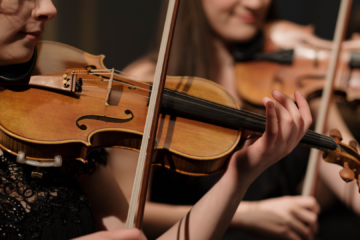
The physical demands of these instruments can be significant. For instance, the violin requires excellent posture, finger dexterity, and bowing control, while the French horn’s intricate fingerings and breath control test even the most skilled players. Despite these challenges, many find that the satisfaction gained from overcoming such obstacles adds to the joy of music-making.
Learning difficult instruments can also lead to a deeper appreciation for music itself. Navigating the complexities of these challenges not only improves technical skills but also enriches the emotional connection to the instrument. Musicians who persevere are often rewarded with a profound sense of accomplishment and a unique ability to express themselves through sound.
Factors That Impact Instrument Difficulty
Several elements contribute to the complexity of playing different musical instruments. Key factors include the physical demands placed on the musician and the inherent complexity of the instrument itself.
Physical Demands and Technique
Physical demands are crucial in determining how challenging an instrument is to master. Instruments that require significant stamina and coordination often present a steep learning curve. For instance, wind instruments require breath control and a proper embouchure. Players must develop the skill to control airflow while maintaining facial muscle tension.
String instruments often demand precise finger placement and a solid grasp of vibrato. Maintaining proper posture and hand positioning is essential for dynamic control. Musicians also engage in repetitive motions that build muscle memory and finger dexterity over time.
Complexity of the Music Instrument
The design and technical specifications of an instrument can influence its difficulty. Some instruments feature intricate fingering techniques that require extensive practice. For example, the piano has a complex layout, requiring players to master multiple keys simultaneously. In contrast, some percussion instruments may have a more straightforward physical technique but demand deep music theory understanding for effective performance.
Understanding the nuances of an instrument’s unique playing techniques often involves grappling with complex compositions. The musician’s ability to interpret music and apply various techniques determines their level of success.
Challenges Specific to String Instruments
String instruments present unique challenges that require a combination of physical dexterity, nuanced techniques, and considerable practice. Players must navigate issues related to tuning, finger placement, and overall control to achieve the desired sound.
Mastering Stringed Instruments
To master stringed instruments like the violin, cello, or double bass, a player must develop significant finger dexterity. Each string requires precise finger placement, demanding both strength and agility in the fingers. Tuning issues are common and can affect performance. For example, the violin and other string instruments often need regular tuning before each session, as environmental factors can impact pitch.
Instruments such as the harp or nyckelharpa introduce additional complexity to the technique. The harp requires intricate coordination between hands, while the nyckelharpa’s unique mechanics necessitate an understanding of both bowing and fretting simultaneously. In summary, mastering string instruments is a multifaceted endeavor that challenges both physical and mental skills.
Brass and Woodwind Instruments: A Test of Breath and Fingers
Brass and woodwind instruments pose distinct challenges to musicians, requiring precise control of breath and intricate finger movements. Mastery of these instruments involves understanding unique techniques and physical demands.
The Intricacies of Brass Instruments
Brass instruments, such as the trumpet and French horn, depend heavily on a player’s embouchure and breath control. The embouchure, or the way a musician shapes their mouth, directly affects sound production. A well-developed embouchure allows for greater control over pitch and tone.
Players must also manipulate air pressure effectively. This requires practicing long tones and varying dynamics to develop a strong, consistent sound. Fingerings for valves add another layer of complexity, as musicians must coordinate breath support with precise finger movements.
The Nuances of Woodwind Performance
Woodwind instruments, including the oboe, bassoon, clarinet, and piccolo, utilize reeds to produce sound, presenting unique challenges. Double reed instruments, like the oboe and bassoon, require a specialized technique to control pitch and timbre. The quality of the reeds also significantly impacts performance.
Air control is essential, as it influences both tone and volume. Musicians navigate various fingerings to achieve different pitches, making technical skills crucial. The coordination of breath with finger placement is vital for fluid playing. Mastery of these elements enhances the overall quality of musical expression in woodwind performance.
Keyboard Instruments: A Blend of Harmony and Complexity
Keyboard instruments demand a unique combination of technical skill, ear training, and muscle memory. Mastery involves navigating complex finger placements and coordination, making them some of the hardest instruments to play.
Pianos and Organs: Keys to Musical Depth
The piano is often regarded as one of the most versatile keyboard instruments. It requires intricate finger placements for its 88 keys. Musicians must develop coordination between both hands, often playing different rhythms simultaneously. Pianos also utilize pedals to enhance sound dynamics, adding layers of complexity. This element can challenge even seasoned players.
Similarly, the pipe organ presents its own set of difficulties. It features multiple keyboards and pedals, demanding exceptional coordination. Managing stops and tonal changes requires a keen understanding of sound production. Both instruments showcase a blend of harmony and complexity, inviting players to explore their rich musical landscapes.


0 Comments