Fun Instruments to Play for Beginners and Beyond

Exploring the world of music introduces enthusiasts to a wide variety of fun instruments that bring joy and creativity to their playing. Instruments such as the ukulele, didgeridoo, and kalimba offer unique sounds and engaging playing experiences, making them perfect for beginners and seasoned musicians alike. These instruments not only create delightful melodies but also allow players to express their individuality through music.
Many people find unconventional instruments to be an exciting avenue for musical exploration. Instruments like the theremin, known for its eerie sound and unique playing method, and the hang drum, celebrated for its soothing tones, showcase the diversity available beyond traditional choices. Each of these options presents an opportunity to discover new aspects of sound and rhythm, sparking passion in both amateur and experienced musicians.
Whether seeking a new hobby or wanting to enhance a musical palette, the abundance of fun instruments can inspire anyone to start their musical journey. Engaging with these unique instruments cultivates not just musical skills but also fosters a deeper appreciation for the art of sound.
Popular Stringed Instruments
Stringed instruments offer a wide range of sounds and versatility, making them popular choices for musicians. They can be classified into various categories, each with distinct characteristics that appeal to different musical styles.
The Versatile Guitar
The guitar is one of the most popular stringed instruments, known for its versatility across genres. It comes in various types, including acoustic, electric, and bass guitars.
- Acoustic Guitar: It features a hollow body and produces sound through the vibration of its strings. It’s widely used in folk, country, and pop music.
- Electric Guitar: Equipped with pickups, it converts string vibrations into electrical signals, allowing for various effects and sounds. It dominates rock, jazz, and blues genres.
- Bass Guitar: This instrument adds depth to music with its lower register. It provides the rhythmic foundation for many styles.
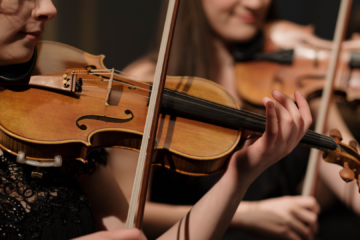
Charming Violin
The violin is a prominent string instrument, celebrated for its expressive sound. It consists of four strings and is played by bowing or plucking.
- Orchestral Role: It holds a central place in orchestras, often leading melodies. The violin’s range allows it to perform both high and low notes effectively.
- Genres: It is integral to classical music but has found its way into folk, jazz, and even rock music.
- Other Variants: The viola and cello are closely related, each adding unique timbres to performances.
Classic Piano
While primarily classified as a percussion instrument, the piano features strings that are struck by hammers, placing it within the string instrument category.
- Types: It comes in various forms, including grand and upright pianos. Each type has distinct sound qualities and uses.
- Musical Styles: The piano plays a crucial role in classical, jazz, and contemporary music. It provides harmonic support and can easily accompany vocalists or other instruments.
- Keyboard Variations: Electric keyboards and synthesizers mimic the piano’s capabilities while offering a wider range of sounds and textures.
These stringed instruments not only enhance musical composition but also provide unique opportunities for artistic expression.
Captivating Wind Instruments
Wind instruments offer a diverse range of sounds and styles, appealing to many musicians. They encompass woodwind and brass categories, each with unique characteristics and techniques.
Expressive Flute Family
The flute family includes several varying instruments such as the C flute, piccolo, and recorder. Each instrument produces a distinct sound, making it versatile for multiple music genres.
- C Flute: Known for its bright and clear tone, it is widely used in orchestras and solo performances. It has a range of about three octaves and is the most common flute type.
- Piccolo: This smaller flute plays an octave higher than the C flute. Its high-pitched notes create a bright, soaring sound that can add excitement to ensembles.
- Recorder: Often seen in educational settings, it offers easy playability for beginners. Its sweet tone and straightforward fingerings make it an accessible choice for young musicians
These instruments highlight the expressive potential of the flute family, enriching various musical compositions.
Percussion Delights
Percussion instruments add a unique layer of rhythm and texture to music. This section highlights various percussion options, focusing on their appeal and accessibility.
Rhythmic Drums
Rhythmic drums are fundamental in many musical genres. Instruments like the djembe and handpan offer rich sounds and dynamic playing styles. The djembe, originating from West Africa, is known for its versatility and ability to produce a wide range of tones. Players can experience deep bass notes and crisp, high pitches.
The handpan, often crafted from steel, features a soothing sound due to its tuned notes. This instrument is relatively easy to learn, attracting both beginners and experienced musicians. For more melodic percussion, instruments like the xylophone and kalimba can enhance rhythmic patterns. The xylophone’s wooden bars yield bright tones, while the kalimba provides a soft, resonant sound that complements various musical styles. Each of these instruments brings distinct characteristics, contributing to the diverse world of percussion.
Unique and Uncommon Instruments
Exploring unique and uncommon instruments reveals a fascinating variety of sounds and playing techniques. Many of these instruments challenge conventional musical boundaries, offering players distinctive auditory experiences.
Eccentric Electronic Sounds
The world of electronic instruments introduces a mix of unconventional sounds and innovative playing methods. The theremin, for instance, creates eerie sounds through proximity sensors, providing an intuitive playing experience.
Synthesizers allow musicians to manipulate sounds electronically, producing diverse tones that can emulate traditional instruments or create entirely new noises. Instruments like the stylophone and otamatone incorporate simple interfaces with playful sounds, appealing to beginners and enthusiasts alike.
The hurdy-gurdy combines a mechanical crank with strings, generating a unique drone effect, while the glass harmonica produces ethereal sounds through the friction of wet fingers on glass bowls. Furthermore, the water phone and marble machine create experimental soundscapes, often used in film scoring and avant-garde music.


0 Comments